














 0 comments
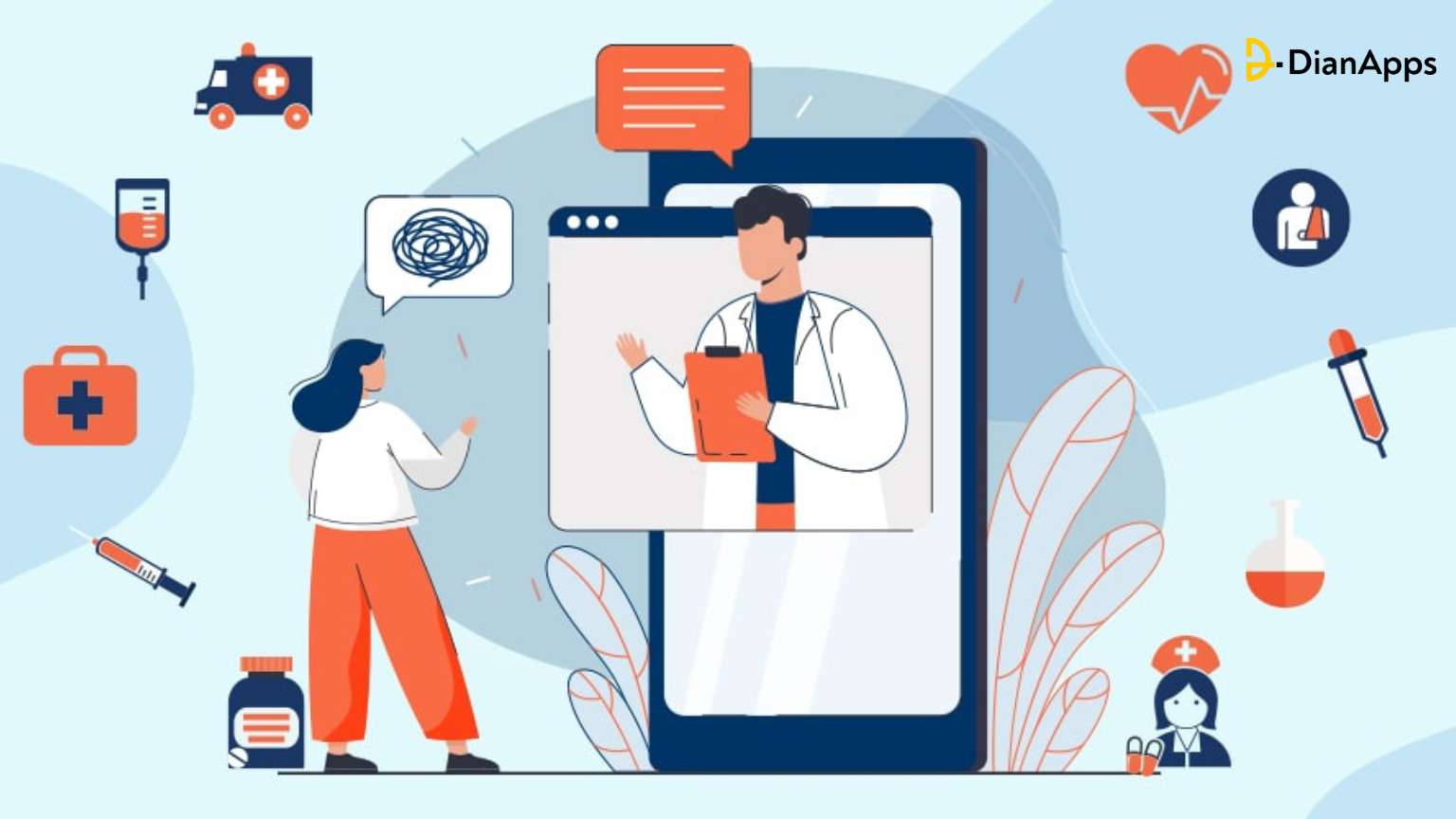





The rapid advancement of technology has brought about transformative changes in various industries, such as IoT, Bots, and mobile apps. With the emergence of the Internet of Things (IoT), the healthcare sector has also witnessed a revolutionary shift in the way patient care is delivered and healthcare operations are managed.
IoT has paved the way for the mobile app development of innovative healthcare apps that use the power of connected devices and real-time data exchange to enhance patient monitoring, improve treatment outcomes, and streamline healthcare processes.
The Role of IoT in Healthcare App Development is of significant importance as it opens up new possibilities for improving healthcare delivery, increasing patient engagement, and transforming the healthcare environment. By integrating IoT technologies into healthcare apps, healthcare providers can apply a vast network of interconnected devices, sensors, and systems to gather and analyze patient data, enabling them to make informed decisions and deliver personalized care.
However, the implementation of IoT in healthcare app development also comes with its own set of challenges. Ensuring data privacy and security is paramount, as the exchange of sensitive patient information through interconnected devices requires strong encryption and safeguards against unauthorized access. Interoperability and standardization of IoT devices and platforms are also critical considerations to ensure smooth integration and data exchange across various healthcare systems.
In this article, we will explore the benefits of IoT in healthcare app development, examine into key applications of IoT in healthcare, discuss challenges and considerations, highlight case studies and success stories, and examine future trends and opportunities. By understanding the role of IoT in healthcare app development, we can gain access to this technology to transform patient care, improve outcomes, and shape the future of healthcare.
Overview of healthcare app development
Healthcare app development involves app development services that provide various services to patients, healthcare providers, and other stakeholders in the healthcare platform. These on-demand services are helping the healthcare industry with functionalities such as remote patient monitoring, appointment scheduling, health record access, medication reminders, and more.
Significance of incorporating IoT in healthcare apps
The integration of IoT in healthcare app development brings numerous benefits and opportunities. IoT-enabled devices and sensors can collect real-time data, enabling healthcare professionals to monitor patients remotely and make informed decisions.
Additionally, IoT facilitates clean connectivity among medical devices and improves operational efficiency by streamlining processes and automating tasks. By harnessing the power of on-demand app development services, healthcare apps can enhance patient care, optimize resource allocation, and reshape the healthcare landscape.
Benefits of IoT in Healthcare App Development
A. Enhanced patient monitoring and care
-
Remote patient monitoring:
IoT enables the continuous monitoring of patients’ vital signs, such as heart rate, blood pressure, and glucose levels, outside of traditional healthcare settings. Healthcare apps integrated with IoT devices allow healthcare providers to remotely track patient health data in real time, enabling early detection of health issues and timely intervention.
- Real-time data collection and analysis:
IoT-connected devices provide a wealth of data that can be collected and analyzed in real time. This data can offer valuable insights into patient health trends, treatment effectiveness, and disease management, empowering healthcare professionals to personalize care plans and make data-driven decisions.
Read out our latest mobile app ideas and trends for the Healthcare industry!
-
Improved patient engagement and adherence:
IoT-powered healthcare apps can facilitate better patient engagement by providing personalized health recommendations, medication reminders, and interactive interfaces. This promotes patient adherence to treatment plans, leading to improved health outcomes.
B. Efficient healthcare operations
-
Inventory management and tracking:
IoT-enabled sensors can track medical supplies and equipment, ensuring accurate inventory management and reducing the risk of shortages or expired products. Automated notifications and reordering systems help streamline the supply chain process, optimizing operational efficiency.
-
Asset monitoring and maintenance:
IoT devices can monitor the condition, location, and usage of medical equipment, enabling proactive maintenance and reducing downtime. Real-time alerts can be sent to healthcare staff when equipment requires servicing or calibration, minimizing disruptions and ensuring uninterrupted patient care.
-
Streamlined workflow and resource allocation:
IoT-connected systems enable easy communication and coordination among healthcare providers, improving workflow efficiency. Real-time data sharing and collaboration tools allow for better resource allocation, reducing waiting times, and enhancing overall operational productivity.
Key Applications of IoT in Healthcare
A. Wearable Devices
-
Fitness trackers and health monitoring devices:
Wearable IoT devices, such as fitness trackers and smartwatches, collect data on physical activity, sleep patterns, and vital signs. This data can be integrated with healthcare apps to provide personalized health insights and encourage healthy habits.
Read more effectively about how to develop and launch Fitness apps for your business.
-
Smartwatches and remote health monitoring:
Smartwatches are becoming a part of everyday life. They are equipped with sensors can monitor vital signs, detect abnormalities, and transmit data to healthcare providers. This facilitates remote health monitoring, especially for patients with chronic conditions or those requiring continuous health tracking.
-
Implantable devices and bio-sensors:
Implantable IoT devices, such as pacemakers or insulin pumps, can transmit real-time data about a patient’s condition directly to healthcare providers. Bio-sensors embedded in the body can monitor specific health markers, enabling proactive healthcare interventions.
B. Connected Medical Equipment
-
IoT-enabled medical devices and equipment:
Medical devices, such as ECG machines, blood pressure monitors, and glucometers, can be connected to healthcare apps via IoT technology. This allows for unified data integration and remote monitoring, reducing the need for frequent in-person visits and enabling timely interventions.
-
Integration with electronic health records (EHR):
IoT integration with EHR systems enhances data accuracy and accessibility. Real-time updates from connected medical devices can automatically populate patient records, ensuring app development companies have the most up-to-date information for informed decision-making.
-
Remote diagnostics and telemedicine:
IoT facilitates remote diagnostics by enabling the transmission of medical images, video consultations, and real-time patient data to healthcare professionals. This enables timely diagnosis, reduces the need for physical appointments, and extends healthcare access to remote or underserved areas.
C. Smart Healthcare Facilities
-
Smart Hospitals and healthcare infrastructure:
IoT technologies can transform healthcare facilities into smart environments. Connected systems for patient registration, queue management, and room monitoring optimize patient flow and improve operational efficiency.
-
Real-time location tracking and asset management:
IoT-based location tracking systems help healthcare staff quickly locate equipment, supplies, and personnel. This minimizes search time, improves response times, and enhances overall hospital efficiency.
-
Environmental monitoring and energy efficiency:
IoT sensors can monitor environmental factors such as temperature, humidity, and air quality within healthcare facilities. This ensures optimal conditions for patient comfort, reduces the risk of infections, and enables energy-efficient practices.
If these key applications enticed you to develop an app for Healthcare, go nowhere else, we have an ultimate guide for you. Head on to read now!
Challenges and Considerations
A. Data privacy and security
-
Protecting sensitive patient information:
IoT devices generate and transmit vast amounts of personal health data, requiring reliable security measures to safeguard patient privacy and comply with data protection regulations.
-
Ensuring secure data transmission and storage:
Your hired mobile app development company must employ encryption, authentication, and secure data storage protocols to protect data during transmission and storage, mitigating the risk of unauthorized access or data breaches.
B. Interoperability and standardization
-
Integration of diverse IoT devices and platforms:
Healthcare app developers face the challenge of integrating various IoT devices from different manufacturers, each utilizing different communication protocols and data formats. Establishing interoperability standards becomes essential to ensure smooth connectivity and data exchange.
-
Adoption of common data formats and protocols:
Standardized data formats and communication protocols facilitate interoperability among IoT devices and enable efficient data sharing across different healthcare systems and platforms.
C. Scalability and infrastructure requirements
- Solid network infrastructure and connectivity:
IoT relies on stable network connectivity to transmit data in real time. Healthcare app developers must ensure the availability of reliable networks, such as Wi-Fi, cellular, or low-power wide-area networks (LPWAN), to support the scalability and reliability of IoT-enabled healthcare solutions.
- Managing large volumes of data and analytics:
IoT generates massive amounts of data that require proper storage, processing, and analysis capabilities. Mobile app developers need scalable data management and analytics systems to extract meaningful insights and support evidence-based decision-making.
Future Trends and Opportunities
A. AI and machine learning integration:
The impact of AI algorithms and machine learning models with IoT-enabled healthcare apps to improve diagnostics, predict outcomes, and personalize treatment plans.
B. Blockchain technology for secure data exchange:
Utilizing blockchain to ensure secure and transparent sharing of patient data among healthcare providers, ensuring data integrity and privacy.
C. Predictive analytics and proactive healthcare:
Using IoT-generated data and advanced analytics to predict and prevent diseases, enabling proactive interventions and personalized healthcare approaches.
Conclusion
In conclusion, the integration of IoT in healthcare app development services holds immense potential for transforming the healthcare industry. IoT-enabled healthcare apps enhance patient monitoring, improve care outcomes, and optimize healthcare operations. However, challenges such as data privacy, interoperability, and infrastructure requirements need to be addressed for widespread adoption.
By embracing IoT technologies, healthcare app developers can change patient care, empower individuals to take control of their health, and enable healthcare providers to deliver personalized and proactive healthcare.
With continued advancements and future trends in AI, machine learning, website development, and blockchain, the role of IoT in healthcare app development will keep evolving, leading to a more connected and efficient healthcare suite that ultimately benefits patients worldwide.
 0 comments








Leave a Comment
Your email address will not be published. Required fields are marked *