















 0 comments






Updated for June 2026 · Quick Answer
Hiring fintech application developers from a specialist company gives you faster delivery, domain-specific compliance knowledge (PCI DSS 4.0, KYC/AML, PSD3), and lower long-term cost than building in-house. The fintech market hit $312 billion in 2024 and grows 14% per year (Statista, 2025), making specialist developer scarcity a real constraint in 2026.
Fintech is one of the few software categories where generalist developers do not work well. Payment integrations, banking-as-a-service stacks, KYC/AML workflows, and regulated data handling all require domain experience that builds over years. Hiring fintech application developers from a company that already has shipped fintech products is faster and lower risk than training a generalist team.
This guide covers the real benefits of hiring fintech application developers in 2026: domain expertise that prevents compliance surprises, faster time to market, cost benchmarks, what to evaluate before signing, and how to pick the right partner for your build.
What is Fintech Software Development?
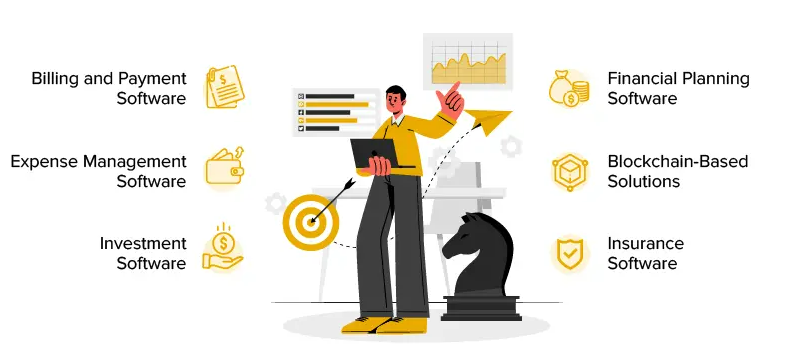
Fintech software development refers to the process of creating and designing software applications specifically for the financial technology (fintech) industry. Fintech software developers create applications, platforms, and systems that leverage technology to improve, streamline, and innovate various financial services and operations. These technologies are used to address a wide range of financial needs, from payments and banking to investments and insurance. Here are some key aspects of fintech software development:1. Digital Payments:
Fintech software developers create payment applications and gateways that enable secure and convenient digital transactions. This can include mobile payment apps, peer-to-peer payment platforms, and online payment processing systems.2. Online Banking:
Fintech software is used to develop online banking platforms, allowing customers to manage their accounts, transfer funds, pay bills, and access other financial services through web or mobile interfaces.3. Peer-to-Peer Lending:
Fintech developers create platforms that connect borrowers with individual or institutional lenders. These peer-to-peer lending platforms often use algorithms and data analysis to match lenders with suitable borrowers.4. Robo-Advisors:
Fintech software can power robo-advisors, which are automated investment platforms that use algorithms to offer financial advice, manage investment portfolios, and make investment decisions on behalf of clients.5. Cryptocurrency and Blockchain:
Fintech developers often work on projects related to cryptocurrencies and blockchain technology. This includes creating digital wallets, exchange platforms, and smart contracts.6. Insurtech:
In the insurance sector, fintech software is used to develop insurance applications that streamline the purchasing of insurance, claims processing, and underwriting through data analytics and automation.7. Regulatory Technology (RegTech):
Fintech software can assist financial institutions in complying with complex regulations and reporting requirements. It often involves developing software solutions to automate regulatory processes and ensure compliance.8. Credit Scoring and Risk Assessment:
Fintech applications can use advanced algorithms and data analytics to assess creditworthiness, reducing the need for traditional credit checks and making lending decisions more efficient.9. Financial Planning and Personal Finance Management:
Software developers create applications to help users manage their finances, track expenses, set budgets, and plan for financial goals.10. Cross-Border Payments:
Fintech solutions enable international money transfers and currency exchange services that are often quicker and more cost-effective than traditional banks.11. Robotic Process Automation (RPA):
In the financial sector, RPA is used to automate repetitive tasks, such as data entry, customer onboarding, and compliance checks, leading to increased efficiency and reduced human error.Benefits of FinTech Software Development Company:
1. modern Expertise
One of the most significant advantages of hiring fintech application developers from top companies is the access to modern expertise. These developers have hands-on experience working on complex fintech projects, giving them insights into the latest trends and technologies. They are well-versed in blockchain, machine learning, artificial intelligence, and other advanced technologies that are integral to fintech applications. Fintech developers from top companies have likely tackled a wide range of challenges and can bring their knowledge to your project. Their deep understanding of financial regulations and industry best practices can be invaluable in ensuring your application is both innovative and compliant.2. Proven Track Record
Top fintech companies have stringent hiring processes and often require their developers to demonstrate a proven track record of success. When you hire developers from these companies, you are essentially benefiting from the thorough vetting process these individuals have already undergone. Their history of success and accomplishment in the fintech sector demonstrates their ability to deliver high-quality results. This proven track record can instill confidence in your organization and stakeholders, assuring them that you have a capable team working on your FinTech application.3. Access to a Network of Expertise
In the fintech industry, collaboration and networking can play a essential role in staying competitive. Developers from top fintech companies are likely to have an extensive network of industry experts, including compliance specialists, data scientists, and financial analysts. When you hire these developers, you gain indirect access to this network, which can be invaluable in solving complex challenges or seeking expert guidance when needed.4. Faster Development Cycles
Time-to-market is often a critical factor in the fintech industry. Hiring developers from top companies can significantly speed up your application’s development cycle. These developers are accustomed to working in fast-paced environments, which allows them to efficiently tackle projects and deliver results promptly. Their experience in optimizing development processes, and using the latest tools and methodologies, can ensure that your fintech application gets to market quickly, giving you a competitive edge.5. Enhanced Security Measures
Security is paramount in the fintech industry, and top companies prioritize it rigorously. Developers from these companies are well-versed in implementing reliable security measures to protect sensitive financial data. They understand the importance of encryption, authentication, and compliance with industry standards such as PCI DSS and GDPR. By hiring fintech developers from top companies, you can be confident that security will be a top priority in your application development, reducing the risk of data breaches and ensuring customer trust.6. Scalability and Flexibility
Fintech applications often experience fluctuations in usage and demand, especially during peak periods. Developers from top companies are experienced in designing scalable and flexible systems that can adapt to changing conditions. They have the expertise to build applications that can handle increased traffic and transaction volumes without sacrificing performance. This scalability ensures that your fintech application can grow alongside your user base, eliminating the need for costly redevelopments down the road.7. Compliance and Regulatory Knowledge
Navigating the complex world of fintech regulations is a daunting task. Hiring fintech developers from top companies means enlisting professionals who are well-versed in compliance and regulatory requirements. They have a deep understanding of the changing market of financial regulations and can help your application stay on the right side of the law. Their knowledge ensures that your fintech application will meet the necessary legal requirements, reducing the risk of costly fines or legal disputes.8. User-Centric Design
Top fintech companies place a strong emphasis on user experience and user-centric design. Developers from these companies are skilled in creating applications that are not only functional but also user-friendly. They understand the importance of intuitive navigation, responsive design, and smooth user interactions. By hiring these developers, you can be confident that your FinTech application will provide a positive user experience, increasing user retention and satisfaction.9. Competitive Advantage
In a highly competitive fintech landscape, staying ahead of the competition is vital. Hiring developers from top companies can give you a significant competitive advantage. Their expertise, innovative ideas, and industry knowledge can help you differentiate your fintech application from others in the market. By offering unique and compelling features, your application can attract a larger user base and gain a stronger foothold in the industry.10. Continuous Learning and Adaptation
The fintech industry is in a constant state of flux, with new technologies and trends emerging regularly. Developers from top companies are often encouraged to engage in continuous learning and adapt to these changes. They have a proactive approach to staying updated with the latest developments in fintech, ensuring that your application remains relevant and can quickly adopt new technologies when needed.Conclusion
Hiring fintech application developers from top companies is a strategic decision that can bring numerous advantages to your organization. Their modern expertise, proven track record, access to a network of expertise, and focus on security and compliance can significantly benefit your FinTech application development. Moreover, the speed, scalability, and user-centric design they offer provide a competitive edge in the dynamic fintech landscape. By investing in top talent from established fintech companies, you position your organization for success, ensuring your application meets the highest standards of quality, security, and innovation. This approach is essential for staying ahead of the competition and providing your users with a superior fintech experience.Frequently Asked Questions
Related reading: For a comprehensive look at where mobile apps are headed this year, see our pillar guide on Mobile App Development Trends 2026, covering AI integration, framework choices, and USD cost benchmarks.
 0 comments










Your email address will not be published. Required fields are marked *