


Key Takeaways:
|
Can players really earn real value by playing blockchain games in 2026?
This isn’t a theoretical question, it’s one of the most searched queries by gamers and tech enthusiasts curious whether the buzz around blockchain and play-to-earn has evolved into something concrete and meaningful.
The gaming industry has grown into an economic behemoth, with total global revenue projected near $292 billion in 2026 as players spend more time and money inside virtual worlds. Yet, in traditional games, the time you invest rarely builds anything you legally or financially own outside the mobile game development company.
Enter Blockchain in Gaming, a paradigm shift that aims to change how digital economies work. Recent market analyses estimate that the blockchain gaming market could reach between $24 billion and $25 billion in 2025–26, with compound annual growth rates exceeding 50 % in many forecasts.
Even broader forecasts put the long-term potential at hundreds of billions by the early 2030s.
Beyond raw market value, blockchain gaming has real user engagement: millions of daily active wallets interact with blockchain games, representing players engaging with tokenized assets, NFTs, and decentralized markets every single day.
While these numbers dipped modestly in certain quarters, overall activity remains stable, underlining the ongoing relevance of blockchain ecosystems inside games.
What’s changed dramatically from earlier hype cycles is not just growth, it’s maturity. The early play-to-earn craze struggled with volatility and unsustainable reward systems.
Today, in 2026, blockchain games are shifting toward sustainable economic design, gameplay-first value, and player-centric ownership models that prioritize long-term engagement over speculative token pumps.
In this guide, we’ll explore how Blockchain in Gaming is reshaping in-game economies in 2026 and why the Play-to-Earn era has evolved into something far more sustainable and integrated. You’ll discover:
- How traditional in-game economies worked and where they failed?
- What fundamentally changed in blockchain gaming since the early hype?
- How modern blockchain games create real, transferable value?
- Trends and real use cases defining in-game economic systems today
Whether you’re a gamer, game development expert, or industry observer, this guide will give you a data-backed, humanized look at where gaming economies are heading, and why it matters.
What Blockchain in Gaming Really Means in 2026?
By 2026, Blockchain in Gaming has shed much of the noise that once surrounded it. The conversations are no longer dominated by buzzwords, token prices, or speculative hype. Instead, blockchain has settled into a quieter, more practical role, one that’s fundamentally about how in-game economies are designed, governed, and sustained.
From Buzzword to Backbone: How Blockchain’s Role Has Changed
In the early days, blockchain gaming was often synonymous with NFTs and Play-to-Earn rewards. Games were marketed around the idea of earning first, playing second. That approach proved fragile. Economies inflated, incentives broke down, and many players walked away disillusioned.
In 2026, the role of blockchain looks very different. It’s no longer the headline feature, it’s the underlying system that supports ownership, scarcity, and trust. In many modern games, players may not even realize they’re interacting with blockchain technology at all. And that’s intentional.
A useful way to think about it is infrastructure. Just as players don’t think about servers or databases while playing online games, blockchain now works in the background, quietly handling economic rules that used to be locked inside centralized systems.
Blockchain as Economic Infrastructure, Not a Game Feature
At its core, basic blockchain technology provides a shared, tamper-resistant ledger. In gaming terms, that translates into:
- Verifiable ownership of digital items
- Transparent rules around item creation and scarcity
- Automated transactions without manual oversight
Rather than being a “feature” players interact with directly, blockchain acts more like plumbing in a building: invisible when it works well, but essential to everything else functioning properly. This shift has helped distance modern blockchain games from the speculative experiments of the past.
What Players Actually Experience in 2026?
From a player’s perspective, Blockchain in Gaming isn’t about wallets or tokens, it’s about outcomes. In 2026, players increasingly experience:
- Items that persist beyond a single game or server
- Marketplaces where supply and demand feel fairer
- Optional earning models that don’t interfere with fun
- Reduced pay-to-win pressure caused by artificial scarcity
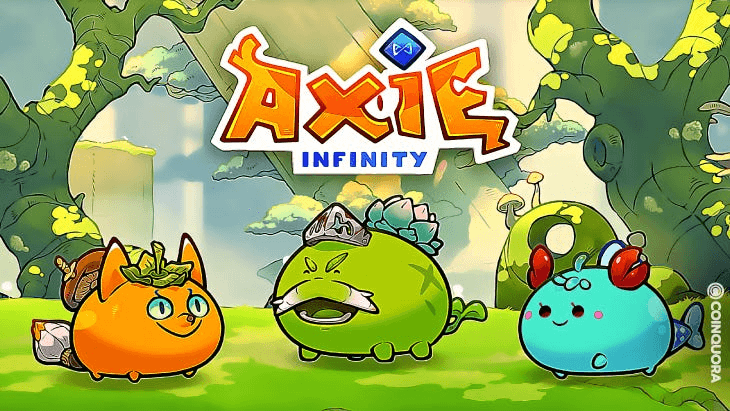
Games like Axie Infinity helped surface both the potential and the pitfalls of blockchain-based economies. The lessons learned from those early models are now shaping more balanced, gameplay-first experiences.
How Developers Use Blockchain Today?
For developers, blockchain has become a tool for economic governance rather than monetization shortcuts. Studios use it to:
- Enforce consistent scarcity rules
- Enable open but controlled marketplaces
- Reduce fraud and item duplication
- Design economies that can evolve without constant resets
The result is not total decentralization, but a hybrid model where developers retain creative control while players gain more transparency and agency.
Why 2026 Is a Turning Point?
What makes 2026 significant isn’t a single breakthrough, it’s accumulation. Better user experience, more realistic economic design, and hard lessons from early failures have pushed Blockchain in Gaming into a more mature phase. Once the technology moved into the background, in-game economies finally had room to work the way players always expected them to.
How Blockchain Is Transforming In-Game Economies?
Once blockchain moved out of the spotlight and into the background, its real impact became clear. The biggest transformation isn’t about tokens or NFTs, it’s about how value moves inside games. In 2026, blockchain-enabled systems are quietly reshaping in-game economies to be more transparent, resilient, and player-aware than anything that came before.
True Digital Ownership Changes Player Behavior
In traditional games, items felt valuable but were never truly owned. Blockchain changes that relationship. When an item exists as a verifiable digital asset, players behave differently. They invest more time, make more deliberate choices, and treat in-game economies with the same strategic thinking they would apply to real markets.
This doesn’t mean every sword or skin has resale value. It means ownership is possible, which fundamentally alters how players perceive effort and reward. The result is less disposable gameplay and more long-term engagement.
Transparent Scarcity Replaces Artificial Control
One of the most impactful shifts brought by blockchain is visible scarcity. In older systems, developers could silently adjust drop rates, inflate currencies, or introduce new items without warning. Players often felt the consequences but never saw the cause.
Blockchain-based economies make scarcity rules explicit. Item supply, minting limits, and reward logic are defined upfront and recorded openly. Even when developers retain control, players gain clarity. That transparency alone reduces distrust and stabilizes in-game markets over time.
Player-Driven Marketplaces Become the Norm
By 2026, marketplaces are no longer side features, they’re core economic layers. Blockchain allows items to be traded, leased, or transferred without relying entirely on centralized systems. This doesn’t eliminate moderation or design oversight, but it shifts pricing power toward the community.
For players, this means:
- Prices reflect real demand, not preset values
- Rare items gain meaning through use, not hype
- Economic participation becomes optional, not mandatory
Games that design these systems carefully see healthier economies and longer player lifecycles.
Persistence Beyond a Single Game or Server
Another quiet but powerful change is economic persistence. In blockchain-supported games, progress and assets aren’t always tied to a single server instance. If a game mode changes, or even shuts down, parts of the economy can survive elsewhere.
This persistence encourages experimentation without fear of total loss. Players feel safer investing time when they know value isn’t locked behind a single decision made by a publisher.
Fewer Resets, More Evolution
Perhaps the most important transformation is philosophical. Instead of wiping economies and starting over, developers now focus on evolving systems gradually. Blockchain supports this by enforcing rules consistently while still allowing updates through governance or controlled changes.
The result is an in-game economy that feels less like a temporary event and more like a living system, one that adapts, grows, and rewards participation over time rather than short-term exploitation.
Together, these changes explain why Blockchain in Gaming is no longer framed as an experiment. It has become the foundation for in-game economies that finally align player effort with lasting value.
Traditional Game Economies vs Blockchain-Based Economies
To really understand why blockchain is having such a strong impact on modern games, it helps to look at what changed structurally, not just technologically. In-game economies didn’t suddenly become broken, they were built for a different era. Blockchain didn’t replace them overnight; it exposed their limits.
How Traditional Game Economies Were Structured?
Traditional game economies are closed systems. Every item, currency, and transaction lives on servers fully controlled by the publisher. This approach made sense for years because it allowed studios to balance gameplay, prevent cheating, and monetize efficiently.
However, this structure also meant:
- Items existed as permissions, not property
- Players could use assets, but never truly own them
- Developers could change rules, prices, or drop rates instantly
- Economies could be reset or erased without player consent
From a design standpoint, control was absolute. From a player standpoint, trust was conditional.
What Blockchain-Based Economies Do Differently?
Blockchain-based economies introduce a shared source of truth. Ownership, scarcity, and transactions are recorded in systems that can’t be quietly altered after the fact. This doesn’t mean developers lose all control, it means control becomes explicit instead of invisible.
In 2026, most successful blockchain games use hybrid models:
- Developers define economic boundaries
- Blockchain enforces those rules consistently
- Players gain visibility into how value is created and distributed
The difference is subtle, but powerful.
Comparison Table: Traditional vs Blockchain In-Game Economies
Aspect | Traditional In-Game Economies | Blockchain-Based Economies |
Asset ownership | Controlled by publisher | Owned by players |
Item persistence | Ends with account or server | Can persist beyond games |
Economy transparency | Opaque | Verifiable and visible |
Market pricing | Fixed or manipulated | Demand-driven |
Player trust | Relies on policy | Backed by system rules |
Economic resets | Common | Less frequent, more controlled |
This contrast explains why players often describe blockchain-based systems as “fairer,” even when earning is optional or minimal.
Why Does This Difference Matters to Players?
The most important shift isn’t financial, it’s psychological. When players know:
- Rules won’t change overnight
- Assets won’t vanish without warning
- Value isn’t entirely dependent on a single company
They engage differently. They plan longer, trade more thoughtfully, and treat in-game economies as living systems rather than temporary mechanics.
Why Does It Matters to Developers Too?
For developers, blockchain-based economies reduce long-term friction. Transparent rules lower community backlash. Persistent assets increase player retention. And economies designed to evolve, rather than reset, create healthier game lifecycles.
This is why the discussion around Blockchain in Gaming has shifted away from novelty. It’s no longer about replacing traditional systems, it’s about fixing what those systems were never designed to handle at scale.
Read why the gaming industry is a goldmine for app developers
Tokenized In-Game Economies Explained (A Simple Breakdown)
After Play-to-Earn was rebuilt around sustainability, the next logical question became much more practical: how do these new in-game economies actually work? In 2026, tokenized economies are no longer experimental systems designed only for crypto-native players. They’re structured, layered, and intentionally simplified for mainstream adoption.
What “Tokenized” Really Means in Gaming?
A tokenized in-game economy is one where value is represented digitally in standardized units, rather than being locked inside a single database controlled by a publisher. These units, tokens, act as the economic language of the game. They track effort, contribution, access, and ownership in ways traditional systems never could.
Importantly, tokenization does not mean everything has monetary value. Most modern games separate gameplay progression from economic participation, allowing players to engage at their own comfort level.
The Three Core Layers of a Tokenized Game Economy
Most blockchain-based games in 2026 operate using a layered economic structure, each serving a distinct role.
1. Utility Tokens
These tokens power everyday gameplay actions. They’re earned through playing, completing objectives, or participating in events, and are typically spent inside the game itself. Their value lies in usefulness, not speculation.
2. Asset Tokens (NFTs)
These represent unique or limited digital items such as characters, equipment, land, or cosmetic assets. Ownership is verifiable, transferable, and persistent. Not every player needs to interact with these assets, but those who do gain more control over how value is stored or exchanged.
3. Governance or Meta Tokens
Used sparingly in 2026, these tokens allow deeper community participation. They may grant voting rights over certain economic rules, content updates, or ecosystem decisions. Their role is influence, not gameplay advantage.
By separating these layers, developers avoid the all-too-common mistake of tying every action directly to financial outcomes.
Also read: Top Metaverse gaming platforms of 2026
How Value Flows Inside Modern Blockchain Games?
Unlike early Play-to-Earn models, tokenized economies today are designed around balanced value loops. Tokens enter the economy through gameplay or contribution and leave through meaningful sinks, upgrades, crafting, access fees, or participation costs.
This balance is critical. When tokens only enter the system and never leave, inflation follows. In 2026, most successful games treat economic balance as a live design challenge, not a one-time setup.
Optional Participation, Not Forced Monetization
One of the most important shifts is choice. Players can:
- Ignore token systems entirely and just play
- Engage casually through trading or crafting
- Participate deeply in economic activities
This flexibility reduces friction and prevents the economy from overshadowing gameplay. Tokenized systems work best when they support the experience, not dominate it.
Why Tokenized Economies Feel Different to Players?
Even when players don’t interact directly with tokens, they feel the difference. Scarcity feels more real. Rewards feel more intentional. Markets feel less arbitrary. That’s because tokenization forces clarity, rules must be defined upfront and enforced consistently.
In 2026, tokenized in-game economies are no longer about earning promises. They’re about structuring value in a way that players can trust, whether they choose to engage economically or not.
This foundation sets the stage for the next critical discussion: the trends shaping how Blockchain in Gaming continues to evolve,and why those trends matter for the future of in-game economies.
Step-by-Step Guide: How to Create a Blockchain Game
Building a blockchain game in 2026 is no longer about adding tokens or NFTs to an existing game. It’s about designing sustainable systems, hiding complexity from players, and using blockchain only where it adds real value. Below is a complete, advanced-level breakdown of how modern blockchain games are built—from concept to launch.
Step 1: Define the Purpose of Blockchain in Your Game
Before choosing tools or writing code, clearly define why blockchain is needed. This step
determines whether your game succeeds or fails.
Ask:
- What gameplay or economic problem does blockchain solve?
- Would the game still work without it?
- Which parts benefit from transparency or ownership?
Valid use cases include:
- Player-owned assets
- Open or semi-open marketplaces
- Asset persistence beyond a single game
- Guild or community-driven economies
If blockchain doesn’t improve gameplay or economic trust, it shouldn’t be used.
Step 2: Design the Game Economy First (Before Any Coding)
Economic design comes before technical implementation.
Create an economy blueprint covering:
- Types of assets (items, characters, land, cosmetics)
- How assets enter the economy (minting, rewards, crafting)
- How assets leave the economy (upgrades, fees, consumption)
- Which actions are optional vs mandatory
Best practice in 2026:
- Fun-first gameplay
- Optional economic participation
- Clear sinks to avoid inflation
Avoid one-token-for-everything systems and guaranteed earning mechanics.
Step 3: Decide What Lives On-Chain vs Off-Chain
Modern blockchain games use hybrid architectures.
Component | Location |
Gameplay logic | Off-chain |
Player stats & progression | Off-chain |
Item ownership | On-chain |
Trading & transfers | On-chain |
Match results | Off-chain |
Anti-cheat systems | Off-chain |
This keeps games fast while still benefiting from blockchain guarantees.
Step 4: Choose the Right Blockchain Stack
The ideal blockchain stack emphasizes:
- Low transaction fees
- High throughput
- Wallet abstraction support
- Mature tooling
Typical stack:
- EVM-compatible blockchain (for ecosystem maturity)
- Layer 2 or sidechain for scalability
- Indexing layer for fast reads
Avoid chains that require players to manually manage gas or wallets.
Step 5: Define the System Architecture
A modern blockchain game uses a layered architecture:
[ Game Client (Unity / Unreal / Web) ] | v [ Game Backend (APIs + Game Logic) ] | --------------------- | | [ Off-chain Database ] [ Blockchain Node ] | v [ Smart Contracts ] |
Key rule: Gameplay must never wait for blockchain confirmation.
Step 6: Build Minimal Smart Contracts
Smart contracts should do as little as possible.
Core responsibilities:
- Asset minting
- Ownership tracking
- Transfers and trading
- Royalties (if needed)
Avoid putting game logic on-chain, it increases cost, risk, and complexity.
Example: Basic Game Asset Smart Contract
// SPDX-License-Identifier: MIT pragma solidity ^0.8.20; import "@openzeppelin/contracts/token/ERC721/ERC721.sol"; import "@openzeppelin/contracts/access/Ownable.sol"; contract GameAsset is ERC721, Ownable { uint256 public nextTokenId; constructor() ERC721("GameAsset", "GASSET") {} function mint(address to) external onlyOwner { _safeMint(to, nextTokenId); nextTokenId++; } } |
This contract:
- Handles ownership
- Controls minting
- Can be extended later
Step 7: Build the Backend Layer
The backend is the brain of the game.
Responsibilities include:
- Verifying blockchain ownership
- Syncing player inventories
- Handling matchmaking and progression
- Caching blockchain reads
Typical backend stack:
- Node.js / NestJS
- PostgreSQL
- Redis (for performance)
- Blockchain indexer
Example: Ownership Verification
async function verifyOwnership(userAddress, tokenId) { const owner = await contract.ownerOf(tokenId); return owner.toLowerCase() === userAddress.toLowerCase(); } |
This prevents asset duplication and cheating.
Step 8: Implement Wallet Abstraction
Players should not:
- Install wallets
- Manage private keys
- Pay gas fees manually
Instead:
- Use embedded or custodial wallets
- Enable session-based signing
- Bundle transactions behind gameplay actions
The best blockchain games in 2026 feel no different from traditional games on the surface.
Step 9: Integrate Blockchain Into the Game Client
The game client should:
- Call backend APIs for asset checks
- Display assets as normal items
- Never expose blockchain complexity directly
Typical flow:
- Player logs in (email or social)
- Wallet is created invisibly
- Player earns or uses an item
- Backend verifies ownership
- Blockchain transaction runs asynchronously
- Gameplay continues uninterrupted
Step 10: Build Marketplace & Trading Systems
Best-practice marketplace design:
- Off-chain listings
- On-chain settlement
- Royalties enforced at contract level
This allows:
- Faster UI
- Lower costs
- Fair trading rules
Avoid fully on-chain marketplaces for performance-heavy games.
Step 11: Add Security, Scaling & Compliance Layers
Security is non-negotiable.
Key considerations:
- Smart contract audits
- Rate limiting APIs
- Replay attack protection
- Region-based restrictions if needed
From a compliance standpoint:
- Never promise earnings
- Frame assets as digital goods
- Make economic participation optional
Step 12: Test, Launch, and Iterate Gradually
Successful blockchain games launch in phases:
- Closed testing with limited assets
- Economy simulations
- Gradual asset minting
- Continuous monitoring
Track:
- Asset velocity
- Player retention
- Economic balance
- Engagement vs monetization
Key Blockchain Gaming Trends Defining 2026
Blockchain in Gaming is no longer shaped by speculation cycles or novelty-driven launches. Instead, a set of clear, design-led trends is defining how in-game economies are built and sustained. These trends explain why blockchain games today feel more stable, accessible, and player-friendly than earlier iterations—and why the space continues to evolve even after the initial hype faded.
Mobile-First Blockchain Games Go Mainstream
One of the most important shifts is the move toward mobile-first blockchain gaming platform. Early blockchain games were largely desktop-based and technically demanding. In contrast, 2026 titles are optimized for smartphones, with performance, battery efficiency, and seamless onboarding baked into the design.
This shift matters because mobile gaming dominates global player numbers. By bringing blockchain economies to mobile platforms, without compromising usability, developers have expanded their reach far beyond crypto-native audiences. Players no longer need powerful hardware or technical knowledge to participate in blockchain-enabled economies.
Invisible Blockchain UX Becomes the Standard
In 2026, the best blockchain games make the technology nearly invisible. Wallet creation, transaction signing, and asset management are often abstracted behind familiar interfaces. Many players interact with blockchain-backed systems without consciously realizing it.
This “invisible UX” trend has been crucial for adoption. When players are forced to think about gas fees or wallet addresses, engagement drops. When those elements fade into the background, gameplay takes center stage, and blockchain simply does its job quietly.
Hybrid Economies Replace Full Decentralization
Another defining trend is the rise of hybrid economic models. Fully decentralized economies proved difficult to balance, while fully centralized systems limited transparency and trust. In response, most successful games now sit somewhere in between.
In hybrid models:
- Developers set economic boundaries and design rules
- Blockchain enforces ownership and transaction integrity
- Players gain visibility without full governance responsibility
This balance allows games to remain fun and adaptable while still benefiting from blockchain’s strengths.
Skill and Contribution-Based Rewards Gain Priority
In 2026, earning mechanisms are increasingly tied to skill, creativity, and contribution, rather than repetitive grinding. Competitive play, community involvement, content creation, and long-term participation are rewarded more consistently than raw time investment.
This trend aligns economic incentives with healthy gameplay. Players feel rewarded for meaningful engagement, and economies remain more stable as a result.
Creator-Led and Community Economies Expand
Finally, blockchain app development services are enabling new forms of creator-driven economies within games. Modders, designers, and community leaders can create assets, events, or experiences that generate value within the ecosystem.
These micro-economies add depth without fragmenting the core game. When designed carefully, they extend longevity and encourage organic growth driven by players themselves.
Real-World Use Cases Emerging in Blockchain In-Game Economies
Blockchain-powered features are no longer experimental add-ons. They’re showing up in practical, repeatable use cases that players encounter during normal gameplay. These use cases don’t require financial speculation or deep technical knowledge, they simply make in-game economies work better.
Player-Owned Asset Trading (Without Breaking the Game)
The most visible use case remains asset trading, but it looks very different than it did in early Play-to-Earn games. In modern blockchain-based titles, trading is:
- Optional, not mandatory
- Integrated into the game’s progression loop
- Designed around balance, not profit
Players can trade cosmetic items, crafted gear, or limited collectibles on open or semi-open marketplaces. Crucially, developers now design drop rates, sinks, and progression systems assuming that trading will happen. This prevents market flooding and keeps gameplay intact.
Asset Leasing and Delegation Systems
One of the most impactful, but less talked about, use cases in 2026 is asset leasing. Instead of buying expensive items outright, players can temporarily use assets owned by others.
Common examples include:
- Borrowing high-level characters for competitive modes
- Leasing land or tools for crafting or events
- Delegating assets to guild members
This lowers entry barriers for new players while allowing experienced players to earn value from assets they’re not actively using. It also keeps rare assets circulating instead of sitting idle.
Guild and Community-Run Economies
Guilds have evolved from social groups into economic micro-ecosystems. In many blockchain-enabled games, guilds manage shared resources, coordinate strategies, and distribute rewards internally.
Blockchain supports this by:
- Tracking contributions transparently
- Automating reward splits
- Reducing disputes over ownership or effort
These systems work best when they reinforce teamwork rather than competition, creating economies built around collaboration instead of extraction.
Player-Created Content and Creator Markets
Another growing use case is player-generated content with real economic participation. Creators design skins, maps, mods, or experiences that can be used, and sometimes traded, inside the game.
Blockchain helps by:
- Verifying creator ownership
- Enabling automatic royalty distribution
- Supporting limited editions without artificial locks
This creates sustainable incentives for creators while expanding the game world organically.
Cross-Platform Economic Persistence (Selective, Not Universal)
While full interoperability across all games remains unrealistic, selective persistence is becoming more common. Some assets now carry value across:
- Multiple game modes
- Companion apps
- Ecosystem-linked titles
The key shift is restraint. Developers choose where persistence makes sense instead of forcing it everywhere. When applied carefully, this strengthens long-term engagement without confusing players.
What ties these examples together is normalization. Blockchain is no longer the focus, it’s the support system. Players don’t need to understand how it works to benefit from it. They simply experience fairer markets, clearer rules, and economies that respect time and contribution.
These real-world use cases demonstrate that Blockchain in Gaming has moved past theory. It’s actively shaping how in-game economies function day to day, quietly, predictably, and with far more intention than before.
Also read about Cloud gaming and Cross-platform play
Challenges and Limitations Still Facing: Blockchain in Gaming
For all the progress made by 2026, Blockchain in Gaming is not a silver bullet. While many early problems have been addressed, meaningful challenges still exist, both technical and human. Understanding these limitations is essential for anyone trying to evaluate where blockchain-powered in-game economies truly make sense, and where they still struggle.
Economic Balance Remains the Hardest Problem
Designing a fun game is difficult. Designing a sustainable economy inside that game is even harder.
Blockchain enforces rules consistently, but it doesn’t design those rules. Poorly balanced token inflows, weak sinks, or misaligned incentives can still destabilize an economy—even if everything is transparent and verifiable. In 2026, the difference between successful and failed blockchain games often comes down to economic design maturity, not technology choice.
Developers now spend far more time stress-testing economies before launch, but long-term balance remains an ongoing challenge rather than a solved problem.
Regulation and Compliance Are Still Unsettled
Regulatory clarity varies widely across regions, and that uncertainty affects how games are designed and distributed. Some jurisdictions treat certain tokens as digital goods, others as financial instruments, and some have yet to define a position at all.
As a result:
- Games must often restrict features by region
- Developers avoid promising financial returns
- Economic systems are designed conservatively
This regulatory caution has slowed experimentation but it has also reduced reckless design choices that plagued earlier Play-to-Earn models.
Player Skepticism Hasn’t Fully Disappeared
Many players were burned during the first wave of blockchain games. Memories of broken economies, pay-to-win mechanics, and low-quality gameplay still influence perception.
In 2026, skepticism doesn’t come from ignorance—it comes from experience. This means blockchain games must earn trust through:
- High-quality gameplay
- Clear communication
- Optional participation in economic systems
Any hint of forced monetization or speculative framing can still drive players away quickly.
Complexity Behind the Scenes
While user experience has improved dramatically, complexity hasn’t disappeared—it has simply moved behind the curtain. Developers must manage:
- Security risks
- Smart contract updates
- Economic exploits
- Long-term data integrity
This increases development costs and requires specialized expertise. For smaller studios, this complexity can be a barrier to entry unless supported by experienced partners.
Not Every Game Needs Blockchain
Perhaps the most important limitation is philosophical: blockchain is not appropriate for every type of game.
Fast-paced competitive titles, short-session casual games, or experiences with minimal progression may gain little from tokenized economies. In these cases, adding blockchain can create friction rather than value.
By 2026, the industry has largely accepted this reality. The question is no longer “Can blockchain be added?” but “Does blockchain meaningfully improve this game?”
These challenges don’t invalidate Blockchain in Gaming, but they do define its boundaries. Recognizing where the technology works, where it struggles, and where it’s unnecessary is part of the industry’s growing maturity.
With those limitations in mind, the final step is to zoom out and look at the big-picture future of in-game economies, and what this evolution means for players and developers alike.
Final Thoughts
Blockchain in Gaming is no longer about hype or quick earning promises. It has evolved into a behind-the-scenes framework that helps build fairer, more transparent, and longer-lasting in-game economies.
Ownership feels more real, economic rules are clearer, and player effort is treated with greater respect.
The real shift isn’t Play-to-Earn, it’s playability with optional value creation. As blockchain fades into the background, well-designed games take the lead.
The future of in-game economies will belong to titles that use blockchain thoughtfully, only where it genuinely improves the player experience.
FAQs
1. Is Blockchain in Gaming still worth investing in 2026?
Yes. In 2026, Blockchain in Gaming is no longer experimental. It’s being adopted selectively for games that rely on long-term progression, digital ownership, and player-driven economies. The focus has shifted from hype-driven Play-to-Earn models to sustainable, gameplay-first economic systems, making blockchain a strategic choice rather than a risky bet.
2. How much does it cost to develop a blockchain-based game?
The cost of developing a blockchain-enabled game varies widely depending on scope, platform, and economic complexity. In general, costs increase when games include tokenized assets, marketplaces, or custom economic logic. However, many studios in 2026 use hybrid models that limit blockchain usage to specific features, keeping development budgets more predictable and controlled.
3. What blockchain gaming trends should developers and studios watch in 2026?
Key trends include mobile-first blockchain games, invisible wallet experiences, hybrid centralized–decentralized economies, and Play-and-Earn models that prioritize fun over financial incentives. There’s also growing emphasis on creator economies, asset leasing, and long-term economic balance rather than short-term token rewards.
4. How do companies like DianApps help with blockchain game development?
As blockchain-enabled game economies become more complex, mobile gaming app development company like DianApps help studios build blockchain-enabled games by focusing on the intersection of gameplay, technology, and economic design. This includes integrating blockchain features where they add real value, designing sustainable in-game economies, and ensuring that blockchain systems enhance player experience instead of complicating it.
5. Does every game need blockchain technology?
No. Blockchain works best for games with persistent economies, tradable assets, or long-term player investment. Fast-paced casual games or short-session experiences often gain little from blockchain integration. In 2026, successful studios evaluate blockchain as a tool, not a requirement, and use it only when it meaningfully improves the game.









Leave a Comment
Your email address will not be published. Required fields are marked *