














 0 comments





Quick Overview:
Cost Breakdown: MVP starts at $15K–$30K, mid-level platforms run $35K–$70K, and full-scale builds reach $80K–$150K+ depending on features, integrations, and team location. |
The US food delivery market crossed $32 billion in 2025, and Florida punches well above its weight in that number.
High year-round tourism, a restaurant culture that stretches from Cuban to Caribbean to Southern comfort food, and a population that genuinely doesn’t want to cook on a 90-degree Tuesday creates a delivery environment that stays active in ways most states simply don’t match.
And yet, outside Miami, Tampa, and Orlando, coverage gaps still exist. Suburban and smaller-city Florida remains underserved by the big platforms, and that’s exactly where interesting business conversations begin.
The apps that have built dominance here– DoorDash, Uber Eats, Grubhub, Instacart, Gopuff, and others, didn’t get there by accident. They built aggressive subscription models, invested in real-time logistics, launched drone and autonomous delivery pilots, and spent years optimizing every friction point in the ordering experience.
Understanding what they built, how they monetize, and where they still fall short is the most useful starting point before deciding how to position your own platform. That’s what this guide is actually for.
Not to talk you out of building in this market, quite the opposite. It’s a straight look at the top 5 food delivery apps operating in Florida in 2026: what they do well, what they get wrong, how their fee structures really work, and what it takes to build a platform that can hold its own alongside them.
You’ll get a side-by-side comparison table, real fee breakdowns, a step-by-step development roadmap, a cost guide, a real-world case study, and a market insights section that tells you where the actual opportunity sits in 2026.
Let’s get started!
Read: Why Every Restaurant needs a food delivery app development company
Florida Food Delivery Market: Current State & Gaps
Florida’s food delivery market is shaped by a handful of factors that don’t all apply in most other states.
Current Market Statistics
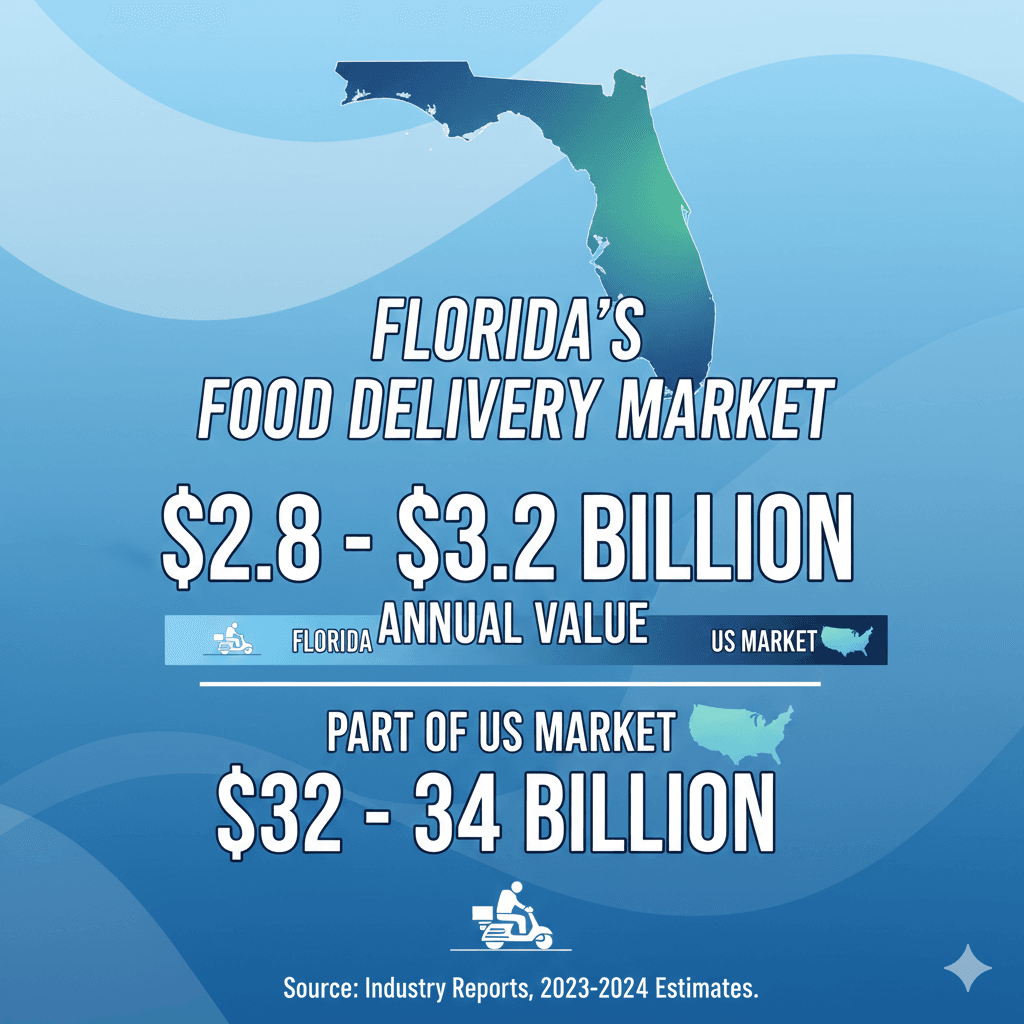
- Florida’s food delivery market is valued at $2.8-3.2 billion annually, part of a $32-34B US market
- The market is growing at a 9-10% CAGR through 2030
- DoorDash, Uber Eats, and Grubhub collectively hold 80–85% of Florida’s market by order volume
- DoorDash alone commands roughly 60-65% of that share
- Florida has 40,000+ licensed restaurants, one of the highest per-capita concentrations in the US
- Roughly 60% of Florida adults order delivery at least once a month, above the national average
What’s Driving the Market?
- Tourism: 140M+ annual visitors who default to delivery apps in unfamiliar cities, keeping demand elevated year-round
- Demographics: High concentration of 25-44 year olds, remote workers, and college students across Miami, Orlando, Tampa, and Jacksonville, the core high-frequency delivery demographic
- Post-pandemic habit retention: Delivery adoption from 2020-2021 has held, especially in the 45-65 age group that wouldn’t have used these apps before
- Restaurant density: 40,000+ restaurants means deep platform catalogs, which keeps users on apps rather than ordering direct
- Year-round climate: No seasonal slowdown the way Northern states experience; demand stays consistent across all twelve months
Where the Gaps Exist?
- Geographic dead zones: 55-60% of Florida’s land area (rural North FL, the Panhandle, Nature Coast, Lake Okeechobee corridor) has thin or no reliable delivery coverage from major platforms
- Commission squeeze on local restaurants: Platforms charge 15-30% per order; independent Florida restaurants operating on 8-12% margins have no viable alternative, creating real demand for a lower-commission model
- Suburban family ordering: No platform has built a genuinely family-optimized experience (multi-person carts, dietary filters, scheduled recurring orders) for Florida’s large suburban family demographic
- Dietary-specific delivery: Florida’s high concentration of health-conscious, halal, kosher, and medically-restricted consumers is poorly served by general-purpose apps with surface-level filters
- B2B and corporate meals: Miami’s finance sector, Orlando’s hospitality corporate market, and Tampa’s growing professional economy all have unmet corporate meal delivery demand that consumer apps aren’t built for
- Senior-friendly delivery: Florida has the highest median age of any US state; the 60+ demographic has real delivery demand but current app UX, ordering complexity, and support quality don’t serve them well.
Let’s head straight to the top 5 food delivery apps in Florida, USA without wasting any time.
Top 5 Food Delivery Apps in Florida in 2026
Before we go deep on each app, here’s the full side-by-side view. This table covers all 5 platforms across the metrics that actually matter when you’re choosing an app to use, or a market to compete in. Let’s take advantage of having a food delivery app for your business.
| App | FL Coverage | Avg Del. Fee | Subscription | Live Track |
| DoorDash | Statewide | $1.99–$5.99 | DashPass $9.99/mo | Yes |
| Uber Eats | Major metros+ | $0–$7.99 | Uber One $9.99/mo | Yes |
| Grubhub | Miami, ORL, TPA | $0–$6.99 | Grubhub+ $9.99/mo | Yes |
| Instacart | Statewide | $3.99–$7.99 | Instacart+ $9.99/mo | Yes |
| Amazon Delivery | Select FL metros | Varies | Included w/ Prime | Yes |
Fees and coverage reflect early 2026 data. Delivery fees vary based on location, distance, time of day, and promotional status. Always check in-app for exact pricing.
Now let’s get into each platform properly. As a leading mobile app development company in the USA we have ensured to make this comparison as not just a quick blurb, but an actual look at what makes each app tick, where it performs well, and where it still has room to grow.
#1. DoorDash
| Headquarters | San Francisco, CA |
| Florida Coverage | Statewide, best suburban + small city reach of any app on this list |
| Subscription | DashPass, $9.99/month (free delivery + reduced service fees) |
| Avg Delivery Fee | $1.99-$5.99 without DashPass |
| Drone Delivery | Active pilot program in select markets |
| Best For | Anyone outside a major metro who wants consistent coverage and variety |
DoorDash is the most widely used food delivery platform in Florida, and the margin isn’t close. It holds somewhere around 60-65% of the US food delivery market by order volume, and Florida reflects that dominance pretty accurately.
What sets DoorDash apart from every other platform on this list is statewide coverage, and not just the urban statewide coverage that other apps claim. DoorDash actually works in Gainesville, Cape Coral, Pensacola, and Tallahassee in a way that Uber Eats and Grubhub simply don’t.
The DashPass subscription at $9.99 a month is genuinely useful if you order more than twice a week. You get free delivery on orders over $12 from DashPass-eligible restaurants and a reduced service fee across the board. It pays for itself fast for regular users.
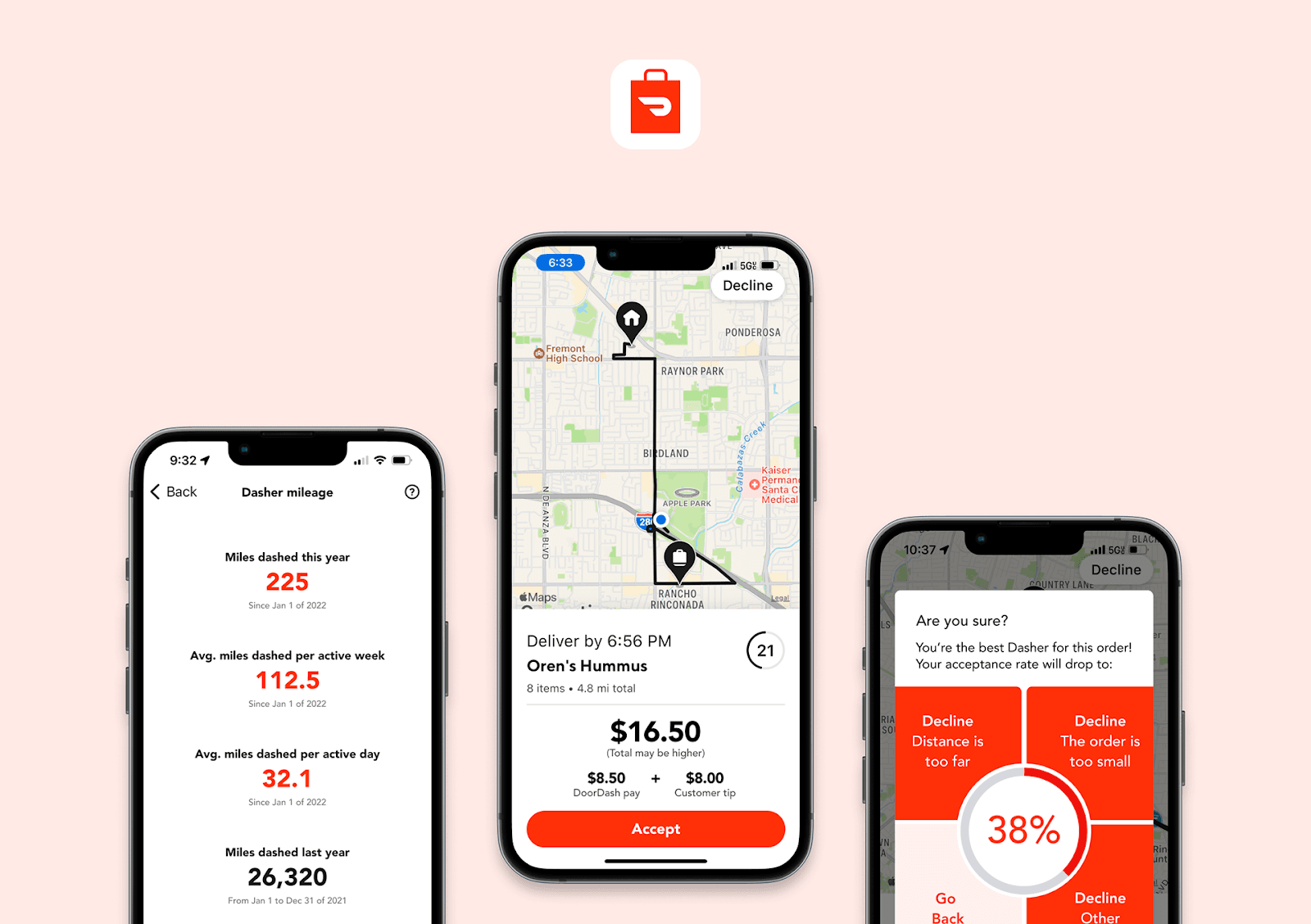
The app interface has also matured significantly, scheduling orders in advance, group carts, and real-time GPS tracking all work cleanly.
The main criticism people tend to have is that delivery fees without DashPass stack up fast. A $28 meal can quietly become a $40+ experience once you add service fees, a delivery fee, and a tip.
The pricing isn’t dishonest, it’s visible at checkout, but it’s not up-front either, and that still frustrates people who notice the gap between menu price and total price.
What works:
- Broadest restaurant selection outside of Miami and Orlando
- DashPass is genuinely cost-effective for frequent users
- Scheduling, group ordering, and UX are all polished
- Strongest coverage in suburban and smaller Florida cities
What doesn’t:
- Delivery fees without a subscription can feel punishing
- Customer support is still hit-or-miss on delivery issues
- Restaurant quality control varies widely, some listings are outdated
Create a food delivery app like DoorDash in 30 days.
#2. Uber Eats
| Headquarters | San Francisco, CA |
| Florida Coverage | Miami, Orlando, Tampa, Jacksonville, Fort Lauderdale, strong urban focus |
| Subscription | Uber One, $9.99/month (bundles food delivery + Uber ride savings) |
| Avg Delivery Fee | $0–$7.99 depending on time, distance, and restaurant |
| Drone Delivery | Active pilots, Wing partnership and proprietary testing |
| Best For | Urban Florida residents who already use Uber for rides |
Uber Eats is the second-largest platform in Florida and, inside the major metros, it’s legitimately the strongest competitor to DoorDash.
The reason comes down to driver network density. Because Uber’s rideshare infrastructure already has thousands of active drivers in Miami, Tampa, and Orlando, Uber Eats benefits from that existing pool, which translates into faster pickup times during peak hours.
The Uber One subscription is one of the cleverer products in the delivery space because it bundles food delivery savings with ride discounts. If you use Uber at all, the subscription math works quickly. For someone who orders food twice a week and takes Uber rides two or three times a week, Uber One essentially pays for itself by midmonth.
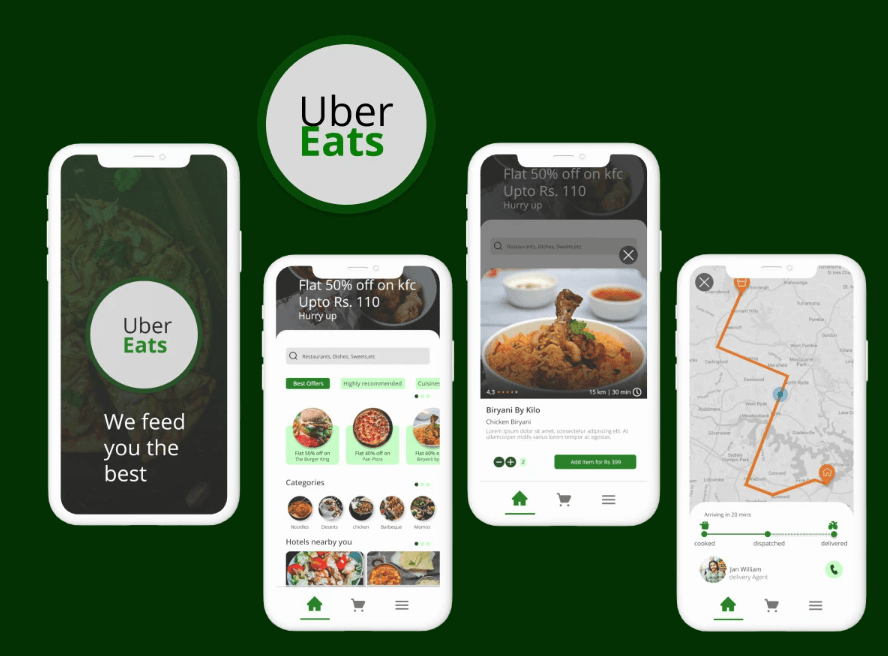
Where Uber Eats loses ground is outside urban centers. Thirty minutes from downtown Orlando, restaurant selection drops noticeably. Forty-five minutes from downtown Miami, coverage thins considerably.
For someone ordering in Naples or Ocala or the Panhandle, food delivery app like Uber Eats is often not a reliable option. The app is designed for density, and it performs best where density exists.
On the drone delivery front, Uber Eats has been more aggressive than most. Wing partnership pilots and its own autonomous delivery testing have been more public than competitors.
This isn’t operational in Florida at scale yet, but it’s the platform most likely to get there first in urban Florida markets.
What works:
- Fastest delivery times inside major Florida metros
- Uber One is genuinely valuable if you use Uber for rides too
- Strong restaurant partnerships and exclusive promotions
- Most advanced drone delivery progress among Florida-active platforms
What doesn’t:
- Coverage drops significantly outside major urban areas
- Fee structure is inconsistent, sometimes $0 delivery, sometimes $7.99 with no clear logic
- Service fee percentage is among the higher ones on this list
#3. Grubhub
| Headquarters | Chicago, IL |
| Florida Coverage | Miami, Orlando, Tampa, limited presence elsewhere in FL |
| Subscription | Grubhub+ $9.99/month (free delivery + Perks rewards) |
| Avg Delivery Fee | $0–$6.99 |
| Drone Delivery | No active program currently |
| Best For | Users loyal to specific restaurants that offer exclusive Grubhub deals |
Grubhub was the dominant food delivery app before DoorDash rewrote the competitive landscape, and it still has a loyal user base built largely around restaurant-specific deals.
If you’ve ever found that a restaurant you love runs exclusive promotions on Grubhub, lower prices, free items, loyalty credits, that’s deliberate.
Grubhub built its stickiness through restaurant relationships, and in markets like Miami and downtown Orlando, those relationships still pay off.
In terms of Florida coverage, Grubhub is concentrated in the three major metros. If you’re in Miami Beach, it’s a solid option. If you’re in a suburb of Tampa, your mileage will vary.
The app has improved from a UX standpoint over the past couple of years, and Grubhub+ as a subscription is competitive at $9.99 a month.
The bigger challenge for Grubhub in Florida is market share. It’s lost significant ground to DoorDash and Uber Eats over the past three years, and that loss has been most pronounced outside of major cities.
What works:
- Strong restaurant loyalty programs and exclusive promotions in Miami and Orlando
- Grubhub+ delivers solid per-order savings for frequent urban users
- Long-standing restaurant relationships mean good deal variety in covered cities
What doesn’t:
- Coverage outside the three major metros is genuinely limited
- Market share decline means less driver availability in some areas
- No drone or autonomous delivery program in sight
#4. Instamart
| Headquarters | San Francisco, CA |
| Florida Coverage | Statewide, grocery coverage; restaurant coverage varies by city |
| Subscription | Instacart+ $9.99/month (free delivery on $35+ grocery orders) |
| Avg Delivery Fee | $3.99–$7.99 |
| Drone Delivery | No current program |
| Best For | Households that want grocery + prepared meal delivery on one platform |
Instacart started as a grocery delivery platform and built one of the most reliable same-day grocery networks in the country before it ever touched restaurant delivery.
That grocery infrastructure is its biggest competitive advantage, and now that it’s expanding into prepared meals and restaurant ordering, it’s in an interesting position for households that want to manage both from a single app.
The Instacart+ subscription is most valuable if you do your grocery shopping through the app. At $9.99 a month, you get free delivery on grocery orders over $35, reduced service fees, and access to exclusive deals from partnered retailers.
If you’re ordering restaurant food on top of that, the subscription becomes even better value.
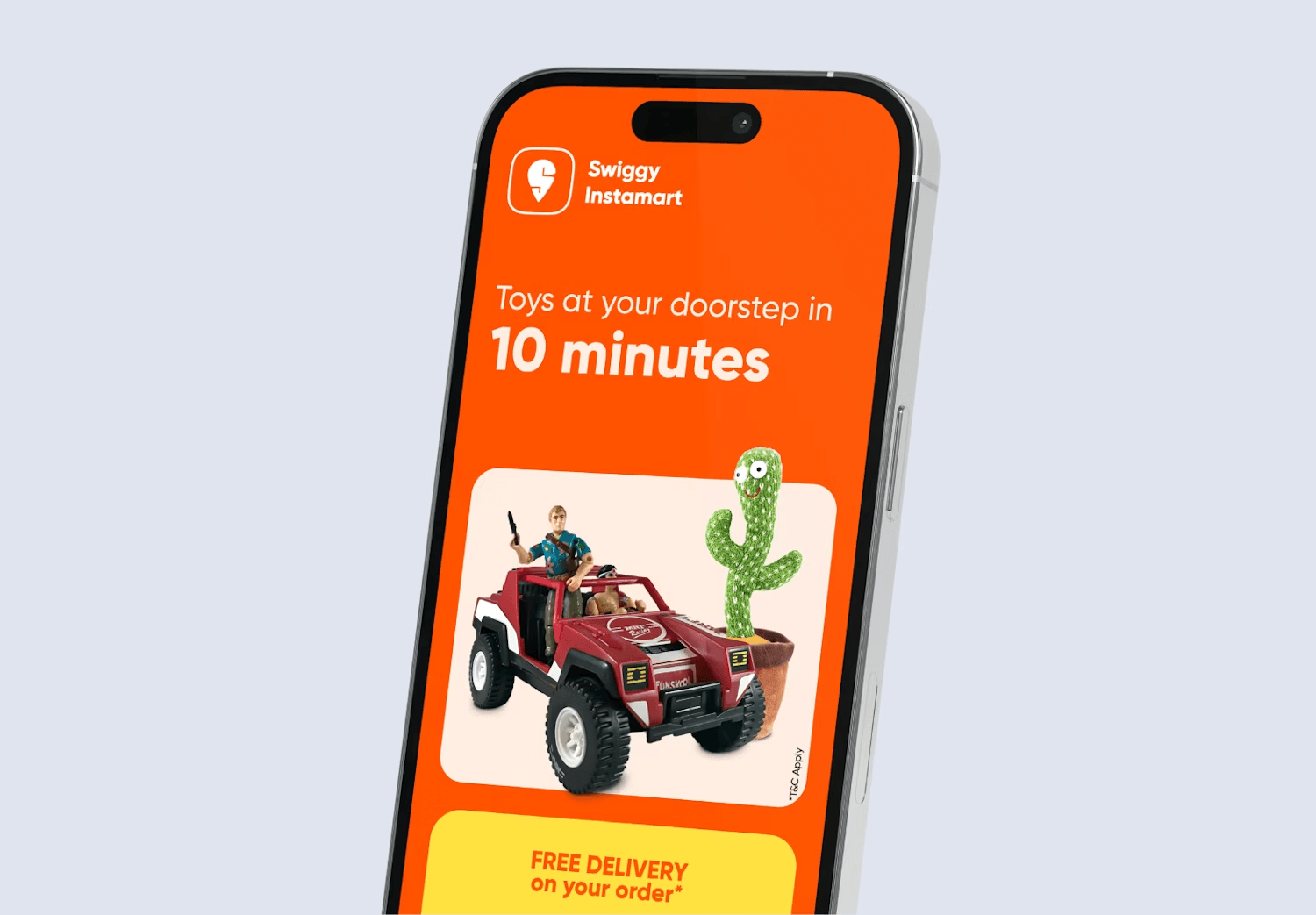
The restaurant delivery side is still catching up to the grocery side in terms of selection and city coverage. In Miami and Orlando, the restaurant catalog is growing. In smaller Florida cities, you’re still primarily dealing with a grocery platform. That’s changing, but it’s not there yet.
Think of Instacart in 2026 as a platform that’s strongest for households and families rather than individual meal orders.
What works:
- Statewide grocery delivery coverage is genuinely reliable
- Instacart+ subscription value is high for households that order groceries frequently
- Single-app convenience for combined grocery + meal orders
- Strong retail partnerships (Publix, Costco, Aldi, Whole Foods) in Florida
What doesn’t:
- Restaurant delivery selection is still limited outside major metros
- Delivery fees for restaurant orders are on the higher end without a subscription
- The app experience is optimized for grocery, which can make restaurant browsing feel secondary
#5. Amazon Delivery
| Headquarters | Seattle, WA |
| Florida Coverage | Miami, Orlando, Tampa, Jacksonville, Fort Lauderdale, expanding |
| Subscription | Included with Amazon Prime ($14.99/month or $139/year) |
| Avg Delivery Fee | Varies, often reduced or waived for Prime members |
| Drone Delivery | Prime Air, operational in select US markets, FL expansion planned |
| Best For | Existing Amazon Prime subscribers looking to consolidate spending |
Amazon’s food delivery vertical doesn’t get as much attention as DoorDash or Uber Eats, but underestimating it is a mistake. Amazon’s competitive advantage isn’t the food selection or the app interface, it’s the installed base.
There are tens of millions of active Prime subscribers in the US, and a significant portion of them are in Florida. When those subscribers open their Amazon app and see restaurant delivery as an option that’s already paid for through their Prime membership, the conversion math becomes very interesting.
Prime Air, Amazon’s drone delivery program, is the most commercially advanced drone delivery operation in the US. It’s not yet operational in Florida at scale, but Amazon has announced expansion intentions and the infrastructure buildout is happening.
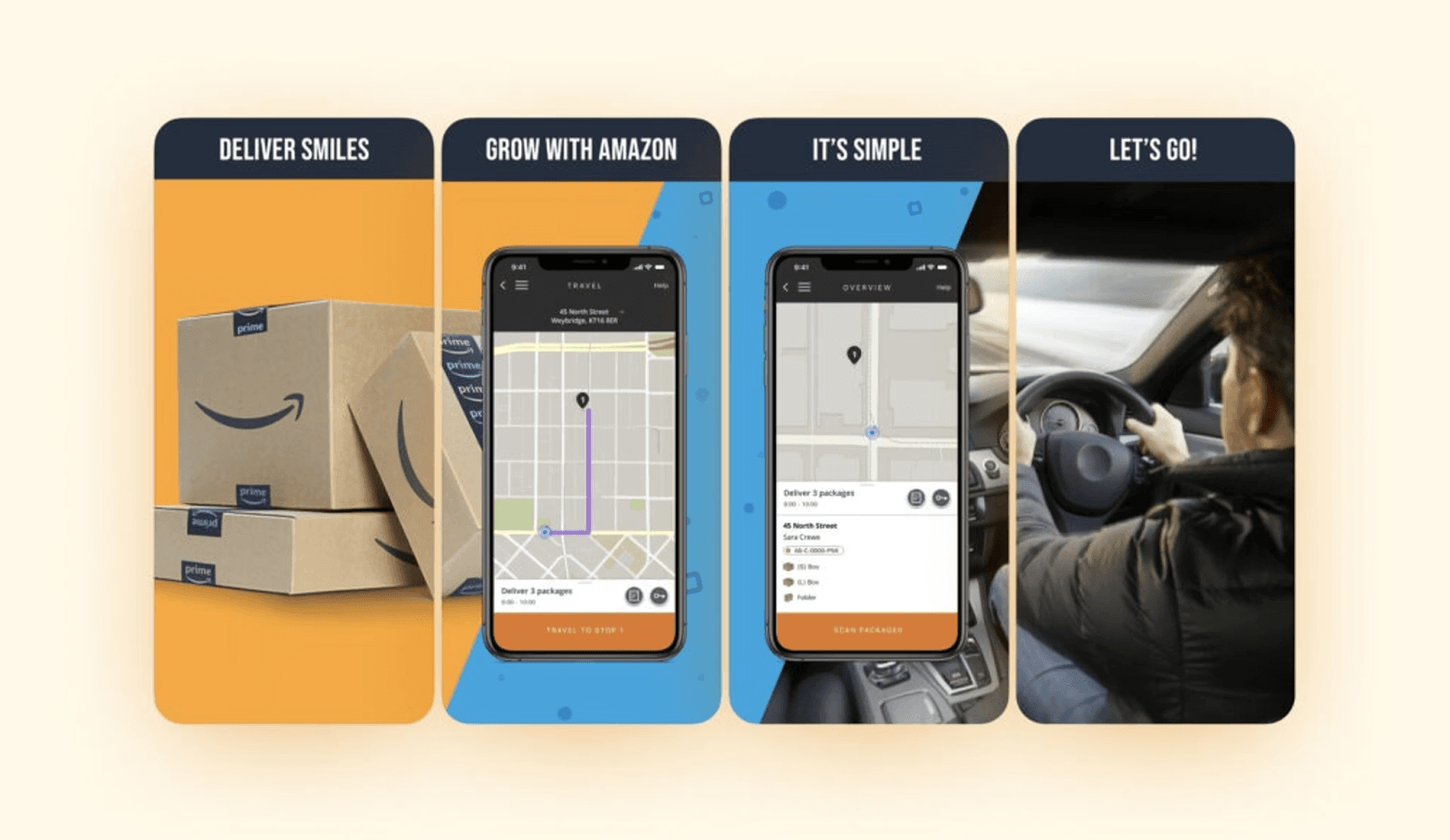
When it does arrive in Florida metros, the speed advantage it creates will be hard for other platforms to match.
For now, Amazon’s restaurant delivery coverage in Florida is growing but not dominant. Selection in Miami and Orlando is solid. In other Florida markets, you’ll find coverage but not depth.
The play here is less about restaurant selection and more about ecosystem consolidation, if you already live in the Amazon ecosystem, adding food delivery to that relationship is frictionless.
What works:
- No extra subscription needed for Prime members, massive cost advantage
- Prime Air drone delivery is the most operationally advanced program on this list
- Amazon ecosystem integration makes reordering and payment smooth
- Growing restaurant catalog in Florida’s major metros
What doesn’t:
- Restaurant selection depth still lags behind DoorDash and Uber Eats
- Coverage outside major Florida metros is thin
- Drone delivery isn’t operational in Florida at meaningful scale yet
Some other popular apps in Florida are:
- Gopuff
- Shipt
- Bite Squad
- Waitr
- Wix2Go/Local
Real Cost Breakdown Across All 5 Food Delivery Apps
| Platform | Service Fee | Delivery Fee | Surge Pricing | Real Cost on $30 Order |
| DoorDash | ~8–12% of order | $1.99–$5.99 | Yes (peak hours) | ~$36–$43 |
| Uber Eats | ~5–15% of order | $0–$7.99 | Yes (surge model) | ~$35–$46 |
| Grubhub | ~5–10% of order | $0–$6.99 | Occasional | ~$33–$42 |
| Instacart | ~5% of order | $3.99–$7.99 | Heavy peak surges | ~$37–$45 |
| Amazon Delivery | No service fee | Varies | Minimal | ~$32–$38 |
Food Delivery App Features You Can’t Miss in 2026
If you’re building in this space, understanding where the best apps are investing right now tells you where the competitive bar is moving. These aren’t hypothetical future features, they’re active food delivery app development services on platforms you can use today.
1. Drone and Robot Delivery
Amazon Prime Air is the most operationally advanced drone delivery program in the US. Uber Eats has active Wing partnerships and its own testing.
DoorDash has been running robot delivery pilots on college campuses. These programs are not yet widespread in Florida, but the infrastructure investment is happening and the timeline to meaningful scale in Florida’s major metros is likely three to five years, not ten.
For consumers, the implication is faster delivery for small, eligible orders in dense urban areas. For app builders, the architecture question is whether to design API-readiness for autonomous delivery vehicles now or retrofit later. The answer, from a cost standpoint, is almost always to design for it now.
2. AI-Powered Delivery Time Prediction
The shift from static ‘estimated 30-45 minutes’ windows to dynamic AI-calculated ETAs is one of the most impactful UX improvements the major apps have made in the past two years.
DoorDash and Uber Eats both now factor in real-time traffic, kitchen prep data from the restaurant, driver availability in the zone, and historical delivery time patterns for that specific restaurant.
The result is delivery time estimates that are meaningfully more accurate, which directly impacts order completion rates and customer satisfaction scores.
3. Subscription-First Revenue Models
The shift from per-order fee revenue to subscription-first revenue is arguably the biggest business model evolution in food delivery since the category was invented.
DashPass, Uber One, Grubhub+, Instacart+, Fam, every major platform now prioritizes subscription conversion because the data is clear: subscribers order more frequently, have higher lifetime value, and churn at a fraction of the rate of non-subscribers.
If you’re building a delivery app and you’re not designing a subscription model into the product from day one, you’re building for the wrong revenue structure.
4. Ghost Kitchen Integration
Ghost kitchens, delivery-only restaurants with no physical dining space, are a growing part of Florida’s food landscape, particularly in Miami and Orlando.
Apps that actively support ghost kitchen listings, give them marketing visibility, and help them manage the delivery-only model are in a strong position.
From a platform perspective, ghost kitchens tend to have higher menu margins than traditional restaurants, which makes them attractive commission partners.
5. Group Ordering and Social Commerce Features
More apps are investing in features that let multiple people add items to a single cart, useful for office orders, family dinners, or friend groups splitting a delivery. It sounds like a small feature but it meaningfully increases average order value.
DoorDash has had group ordering for a while; Uber Eats has rolled it out more broadly. New platforms should treat this as a baseline expectation rather than a differentiator.
6. Hyperlocal Delivery Under 15 Minutes
Gopuff proved that there’s a real market for speed over selection. A growing segment of the market wants convenience items in fifteen minutes or less, not restaurant meals in forty-five.
Hyperlocal delivery enabled by micro-fulfillment centers is expanding in Florida’s major cities, and it represents a distinct market segment from traditional restaurant delivery.
If you’re building for the convenience and essentials vertical rather than the restaurant vertical, the hyperlocal model is worth studying closely.
Step-by-Step Guide to Food Delivery App Development
So you’ve looked at the market, you understand the competitive landscape, and you’ve decided you want to build in this space. Here’s how to think about the development process, not the glossy pitch version, the one that reflects what actually happens when these projects go well.
Step 1: Define Your Delivery Model Before You Talk to a Developer
The most expensive mistake in food delivery app development is starting to build before the business model is clear.
- The aggregator model (connecting customers to multiple restaurants, earning commission)
- The single-brand model (one restaurant or chain building its own delivery capability)
- The hyperlocal convenience model (operating your own inventory and micro-fulfillment)
- The B2B model (corporate meal delivery, healthcare facility delivery) each have completely different architecture requirements, cost structures, and market dynamics.
Spend time on this before anything else. The model you choose determines almost every major technical decision that follows.
Step 2: Map Out All Three App Surfaces Simultaneously
Every food delivery platform is actually three products in one: the customer app, the restaurant dashboard, and the driver app.
The failure mode that’s most common in early-stage builds is over-investing in the customer-facing experience and under-investing in the restaurant and driver sides.
Restaurants that have to fight with a clunky dashboard will prioritize other platforms. Drivers that deal with a confusing earning interface will stop accepting your orders.
Both of those outcomes kill user experience on the customer side faster than any design problem in the customer app itself.
Plan all three surfaces in parallel from day one.
Step 3: Choose Your Tech Stack for Scalability, Not Just MVP Speed
React Native or Flutter for cross-platform mobile development gives you iOS and Android from a shared codebase, the cost efficiency is significant.
Node.js on the backend handles high concurrency well, which matters because food delivery platforms have extremely spiky traffic patterns (lunch rush, dinner rush, weekend peaks).
Google Maps Platform is the most reliable choice for routing and ETA. Stripe or Braintree for payments. Firebase for real-time data sync. Twilio for SMS communication with drivers.
Want to know the cost of Food delivery app in React Native? Jump to read here now!
| Layer | Recommended Stack | Why It Works |
| Mobile Frontend | React Native / Flutter | Single codebase for iOS + Android, saves time and budget significantly |
| Backend / API | Node.js or Python (Django/FastAPI) | Handles high concurrency, scales well under order spikes |
| Database | PostgreSQL + Redis | Relational data for orders/users; Redis for real-time caching and speed |
| Maps & Routing | Google Maps Platform / Mapbox | Real-time driver tracking, ETA calculation, geofencing for delivery zones |
| Payments | Stripe / Braintree | PCI-compliant, supports cards, wallets, subscriptions |
| Notifications | Firebase Cloud Messaging + Twilio | Push notifications for order updates; SMS fallback for drivers |
| Real-Time Engine | Socket.io / Firebase Realtime DB | Live order status, driver location sync, kitchen confirmations |
| Analytics | Mixpanel / Segment + custom BI | Track funnel drop-offs, delivery SLAs, driver acceptance rates |
A good mobile app development company in Houston or one working with you remotely will push back if you try to over-engineer the MVP. But they should also be designing the architecture with scale in mind, even if you’re not using every component at launch.
Step 4: Design for Real User Behavior
Most users abandon an order if checkout takes more than four taps. Most restaurant staff won’t tolerate a dashboard that requires any training to use. Most drivers will stop using an app within a week if the earnings interface is confusing or the route navigation is unreliable. These aren’t edge cases, they’re the normal behavior of real users under real conditions. Design that respects this isn’t a luxury. It’s how you get adoption.
Step 5: Build and Test Your MVP With Real Operational Conditions
The bugs you find in a ten-restaurant, fifty-order-a-day pilot are dramatically cheaper to fix than the ones you find when you’re live across a city. Test with real restaurants, real drivers, and real customers in a contained geography.
Watch what breaks. Watch what confuses people. Watch where drivers lose signal or where the ETA algorithm fails. Fix those problems before you scale.
Step 6: Launch, Measure, and Iterate on the Right Metrics
Order completion rate, funnel drop-off by step, driver acceptance rate, kitchen-to-door time, and customer reorder rate within 30 days, these are the metrics that tell you whether your platform is actually working, not the vanity metrics.
Build analytics infrastructure from day one so you have real data to make iteration decisions. The product you’re proud of at month twelve will look very different from what you launch on day one, and that’s entirely healthy.
A mobile app development company in Dallas that’s shipped on-demand platforms will tell you the same thing: the launch is not the finish line. It’s the starting line for a product that gets better through operational data and iteration.
Real-World Case Study: How DianApps Built an Uber Eats-Scale Delivery Platform?
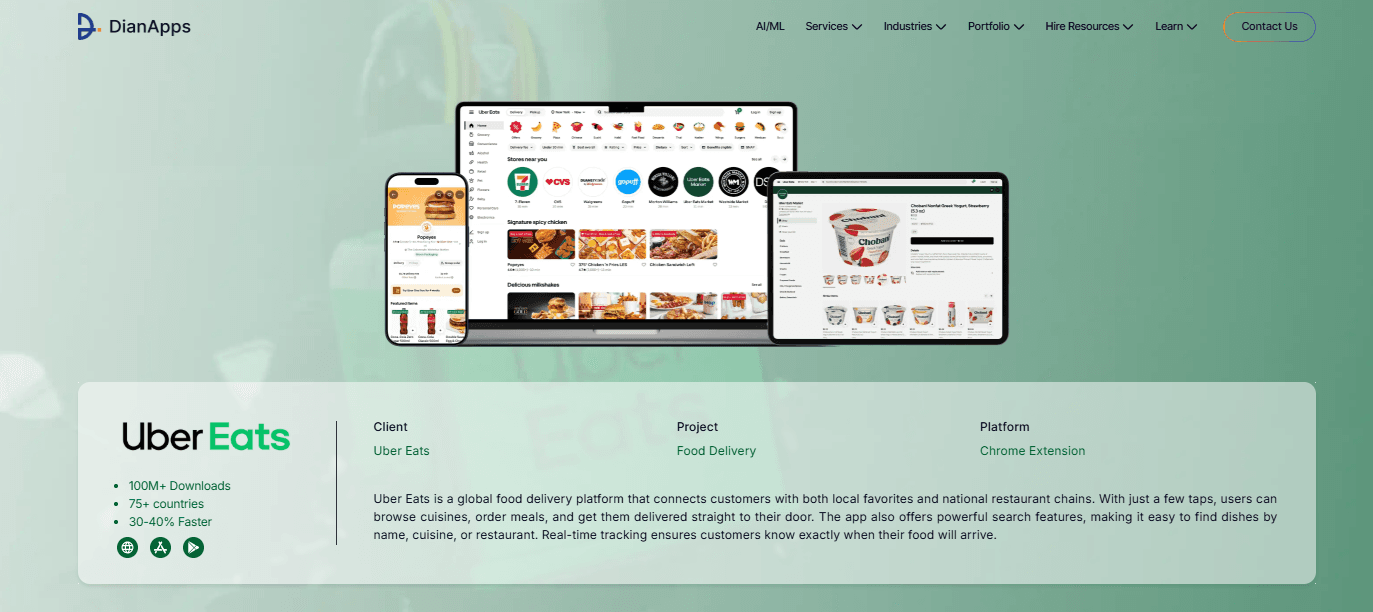
DianApps has worked on on-demand delivery platforms that mirror the complexity of apps like Uber Eats, and what those projects have taught us is that the gap between a prototype and a production-ready delivery app is almost always larger than clients initially expect.
Check Out Uber Eats Portfolio
Not because the concepts are hard to explain, but because the operational details of running a real delivery platform reveal problems that no mockup or feature list anticipates.
In one of our flagship delivery platform builds, a client came to us with a clearly defined concept: a restaurant aggregator targeting a specific metro market, focused on local independent restaurants that were being squeezed out of visibility by national chains on DoorDash and Uber Eats.
They had product clarity and a budget. What they needed was a development team that had already navigated the architectural decisions this kind of product demands.
The Challenge
- The core ordering flow, browse, cart, checkout, is relatively straightforward to design. The genuinely hard problems were elsewhere.
- Real-time driver dispatch logic that handles order density spikes without degrading ETA accuracy.
- Dynamic pricing tied to demand zones without triggering the kind of fee surprise that erodes user trust.
- A restaurant-facing dashboard that could handle order management at volume without requiring restaurants to hire a dedicated person just to interact with the app.
- And a driver app that drivers would actually continue using after the first week, which means earnings transparency, route clarity, and no confusing UI.
What DianApps Built?
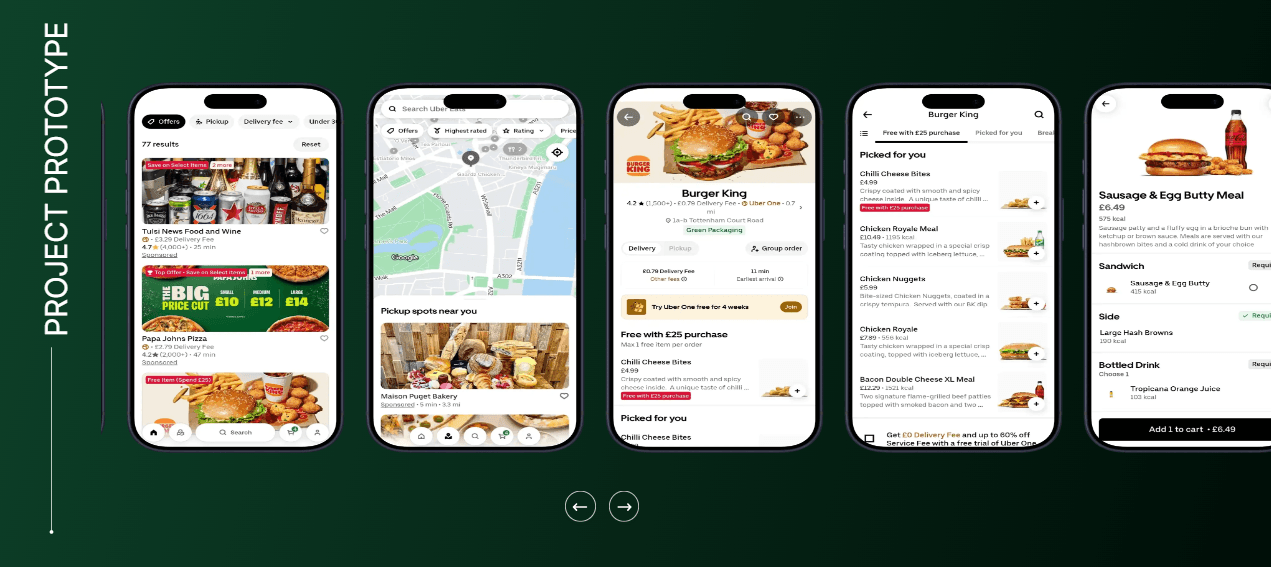
We developed three parallel application surfaces simultaneously:
- a customer-facing mobile app built in React Native for iOS and Android with a shared codebase,
- a driver app with real-time GPS tracking, dynamic order assignment, and a transparent earnings dashboard,
- and a restaurant management dashboard for order receipt, menu management, availability toggling, and basic analytics.
The backend ran on Node.js, designed with horizontal scaling in mind from day one. Google Maps Platform handled routing, ETA calculation, and delivery zone geofencing.
Stripe managed payment processing including saved payment methods and tip flow. Firebase powered the real-time database layer that kept order status in sync across all three app surfaces simultaneously. Twilio handled SMS-based driver communication for order confirmations and pickups.
We also built a loyalty module that tracked repeat customer behavior and issued rewards automatically, because the data on food delivery platforms is clear: loyalty programs meaningfully improve monthly order frequency, and order frequency is the most reliable predictor of long-term platform health.
The Outcome
The platform launched in beta within five months of development kickoff. Within the first six months of live operation, the client had onboarded over 120 local restaurants and was processing an average of 800+ orders per week.
Driver retention was meaningfully above the industry average, something the team attributed primarily to the earnings dashboard transparency we built into the driver app, which reduced ‘why did I get paid this’ support tickets by over 70%.
The lesson from that project, and from every on-demand platform build we’ve been part of, is that the architectural decisions you make in the first eight weeks of development determine how the app behaves when order volume doubles.
Building for scale from day one is not a luxury or a nice-to-have. It’s the difference between an app that performs under pressure and one that becomes a liability when it starts to succeed.
Whether you’re evaluating a mobile app development company in USA with on-demand expertise or scoping out development partners in specific markets, the question to ask is not just ‘can you build this?’ It’s ‘have you shipped this kind of product before, and can you show me what happened when it went live?
How Much Does It Cost to Build a Food Delivery App in 2026?
This is the question every founder asks early and few people get a real answer to. Here’s an honest breakdown based on what delivery platforms actually cost to build not the theoretical minimum or the inflated agency quote.
| App Tier | Features Included | Estimated Build Cost | Estimated Timeline |
| MVP / Basic | Core ordering, payments, GPS tracking, 2 panels (customer + restaurant) | $15,000–$30,000 | 3–5 months |
| Mid-Level Platform | 3 panels (+ driver app), loyalty rewards, reviews, push notifications, admin dashboard | $35,000–$70,000 | 5–8 months |
| Full-Scale Product | AI delivery prediction, multi-vendor, ghost kitchen support, analytics suite | $80,000–$150,000 | 8–14 months |
| Enterprise Grade | Custom integrations, drone-ready API, IoT support, white-label capability | $150,000+ | 12–18+ months |
A few factors that move these numbers significantly. Whether you’re building for one platform or both (iOS and Android together adds 30-40% to a native build, though React Native largely solves this).
The number of third-party integrations required, each one adds development time and sometimes licensing cost. And where your development team is located.
The geography of your development partner matters more than most people think. A mobile app development company in New York will have different rate structures than a team in a lower cost-of-living market.
An offshore team will have different rate structures still. What matters more than geography is verifiable experience in the on-demand vertical, ask for shipped products, not just portfolios of mockups.
It’s also worth budgeting for ongoing costs that aren’t in the build number:
- Server infrastructure (AWS or GCP, typically $500–$3,000 a month depending on scale)
- Google Maps API usage (billed per request, which adds up quickly at volume)
- Payment processing fees (Stripe charges 2.9% + $0.30 per transaction),
- The operational costs of running a live platform (customer support, driver incentives, restaurant onboarding).
The build cost is the starting line. The operational cost is the ongoing reality. Both need to be in your financial model before you start development.
Looking to launch a white-label food delivery app in the USA? Here, follow the guide and get the best solution.
Why Businesses Choose DianApps for Food Delivery App Development?
DianApps has been building mobile products for over a decade. On-demand delivery is one of the verticals where we’ve put in the most work, not just in terms of lines of code, but in terms of understanding how these platforms actually operate once they’re live and under real-world pressure.
We’ve worked with clients ranging from early-stage startups building their first MVP and trying to figure out what model makes sense, to established restaurant groups that want to eliminate platform dependency by building their own branded delivery experience.
The common thread in the projects that go well is a client who treats the development team as a product partner rather than a vendor executing a spec.
We work with businesses across the US, including companies looking for a mobile app development company in Florida, operations-first teams in Texas evaluating development partners for their Houston or Dallas market, and startups that are fully distributed and working across time zones.
What we bring to every engagement isn’t just technical execution, it’s an operational understanding of what food delivery platforms need to do to survive contact with reality.
If you’re building in this space and you want a conversation about what’s realistic for your model, your market, and your budget, that’s the best first step. No pitch deck required. Just an honest conversation about what you’re trying to build and whether we’re the right team to build it with you.
 0 comments










Leave a Comment
Your email address will not be published. Required fields are marked *