

Blog overview:
|
Your Website Is Killing the Planet (And Your Google Rankings). Here’s What Australian Businesses Are Finally Doing About It.
Last year, we had a conversation with a client in Brisbane. They’d just spent $80,000 on a brand new website. Beautiful thing, smooth animations, parallax scrolling, video backgrounds on every second section. The agency they hired before us was talented. The design was genuinely impressive.
Six months later, their organic traffic had dropped 22%. Their bounce rate was through the roof. Mobile users were abandoning pages in under three seconds. As a website development company in Brisbane, our team ran their URL through a carbon calculator, we found their homepage alone was generating nearly 4 grams of CO₂ per visit.
Multiply that by 40,000 monthly visitors. You do the maths.
This isn’t a cautionary tale we fabricated. It’s a pattern we encounter across Australia constantly, businesses like yours pouring money into websites that look incredible but perform terribly, quietly racking up an environmental and financial cost that nobody raised at the design brief stage.
So we’re raising it now. Bluntly. Because you deserve to know.
So what’s actually shifted in the last couple of years?
Cloud computing exploded. AI applications became resource-hungry by default. Data consumption kept climbing.
And digital infrastructure quietly became one of the fastest-growing contributors to electricity demand on the planet. In that context, two things now directly affect your business:
- Your hosting choices now influence both how fast your website loads for your users and how much carbon it generates per visit
- Web sustainability has moved from the marketing brief into ESG boardrooms and we’re helping clients across Australia navigate both
This blog is our deep dive into how sustainable green web development is evolving in Australia in 2026, why the stakes are higher than most businesses realise, and how the companies we partner with are turning it into a measurable competitive edge over rivals who are still ignoring it.
What is Sustainable Green Web Development?
Here’s a misconception we want to clear up for you right away.
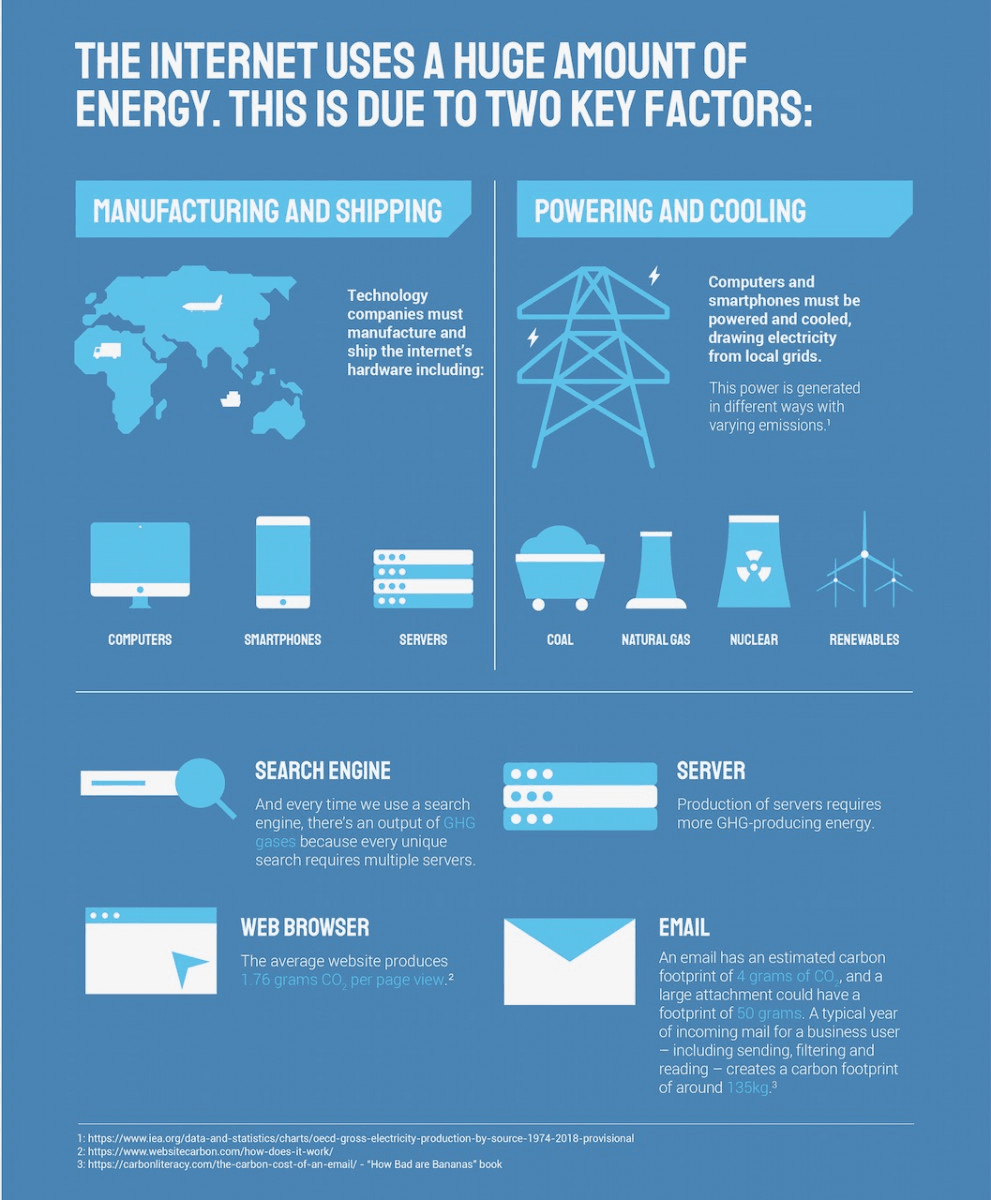
Sustainable web development is not just about picking a “green” web host and feeling good about the choice. That’s the 2019 version of this conversation. In 2026, what we practice and what we build for you is something much bigger, a system-level approach covering how your website gets designed, built, deployed, and maintained over its entire life.
Given Australia’s rapidly expanding digital infrastructure landscape, the difference between those two definitions matters enormously for your bottom line and your brand.
So what does it actually mean in practice?
At its core, sustainable, or green, web development means reducing the environmental footprint of your website at every stage of its lifecycle. Not just at launch. Not just when someone thinks of running an audit.
Every step of the way, from the first line of code our engineers write through to every individual page load your visitors trigger.
When we build sustainably for you, we’re making deliberate decisions about:
- How efficiently your website’s code is written and maintained
- How much data gets transferred every time one of your visitors loads a page
- How long your servers stay engaged and how often they’re called into action
- Where your site is physically hosted and what energy is powering that infrastructure
- How your users actually move through the interface we’ve designed for you
In plain terms: less waste, fewer resources, better results for your business and the environment. Both at once.
Why Do Traditional Web Development Approaches Fall Short for You?
Most websites, including ones we’ve inherited from other agencies on your behalf, weren’t built with sustainability in mind. They were built for speed of delivery, visual impact, or feature volume. The results are predictable, and you may already be feeling them:
- Heavy JavaScript frameworks running on your pages even when they’re completely idle
- Oversized images and media files are served to every one of your visitors regardless of their device or connection speed
- Always-on servers are burning electricity through the long stretches when nobody is browsing your site.
- Poorly thought-out user flows that force unnecessary reloads and wasted interactions on your visitors
Every one of those choices inflates energy consumption per pageview on your site. And when your traffic scales, so does your digital carbon footprint. It compounds faster than most people expect.
Here’s the part that surprises our clients most: if your website is inefficient, it is also slower, more expensive for you to run, and harder for you to rank in search. Sustainability and performance are not competing priorities, they’re actually the same priority, looked at from two different angles. We pursue both for every website we build.
What Makes Your Website Genuinely “Green” in 2026?
When we audit or build a website at DianApps, our approach rests on four interconnected pillars. They reinforce each other rather than compete.
1. Efficient Code and Frontend Architecture
Your website should only load what it genuinely needs. We build on lightweight frameworks, minimise JavaScript execution across your pages, optimise your CSS and fonts, and choose smarter asset delivery strategies.
At scale across your user base, the energy savings add up significantly, and the performance gains you feel are immediate.
2. Performance-Led Design Decisions
Design in 2026 has to be functional and deliberate, not just aesthetic. When we design for you, we avoid unnecessary animations, over-engineered layouts, and page transitions that look impressive in a prototype but slow your real users down in the browser.
Our focus is clarity, speed, and purpose, delivering a better experience for your visitors using fewer resources.
3. Responsible Hosting and Infrastructure
Where your website lives matters far more than most businesses appreciate until we show them the numbers.
We recommend and configure hosting on data centres powered by renewable energy, running energy-efficient hardware with carbon-neutral or energy-matched infrastructure.
In Australia specifically, keeping your hosting local reduces both latency for your users and the energy consumed routing their traffic halfway around the world.
4. Measurable Impact and Continuous Optimisation
This is the pillar most agencies skip, and the one we consider non-negotiable at DianApps. Sustainable web development is not a one-time project you complete and forget. We track your website’s carbon emissions, monitor page weight and data transfer over time, and tie performance metrics to actual energy use. If you’re not measuring it, you’re not improving it. We make sure you’re always doing both.
Why Is This Shift Happening Right Now for Australian Businesses?
Three forces are converging in 2026 specifically, and all three are affecting your business whether you’ve felt them yet or not.
Rising digital energy demand, driven hard by cloud platforms and AI-heavy applications. Intensified ESG and sustainability scrutiny, with digital operations no longer exempt from reporting requirements.
And search engines, alongside your users increasingly favouring fast, efficient, low-friction experiences over slow, heavy ones.
Businesses that keep treating sustainability as separate from performance, SEO, or growth strategy are fighting the tide.
A sustainable website in 2026 is faster for your users, cheaper for you to operate at scale, easier to rank in Google, and better aligned with what your audience now expects.
That’s why we’re seeing serious momentum across Australia, and why we’re having this conversation with more clients every week.
Why Is Australia a Hotspot for Sustainable Web Development in 2026?
Australia’s position in this space wasn’t accidental, and it isn’t theoretical. As a custom website development company, we see it affecting our clients’ decisions and their competitive landscape every single week.
In 2026, your business in Australia sits at an unusual intersection: booming digital demand on one side and an accelerating clean-energy transition on the other. That combination creates both urgency and genuine opportunity for you if you move on it early.
Australia’s Digital Infrastructure Is Scaling – Fast
Cloud adoption, SaaS platforms, and AI-driven applications have grown aggressively across Australia over the past several years. Data centres are expanding through Sydney, Melbourne, and regional hubs to keep pace with enterprise demand, fast-growing startups, and global tech players establishing local presence.
The Clean Energy Finance Corporation has flagged data centres as among the fastest-growing sources of electricity demand in the country. What that means practically for your business is this: every website, every app, every digital product you run in Australia now carries an energy cost you can no longer quietly ignore. Our job is to help you get ahead of that reality rather than react to it.
This is why we’ve fundamentally rethought how we approach website development services in Australia. It’s no longer just about how quickly we can ship your product; it’s about how efficiently your platform serves your users at scale once it’s live.
Renewable Energy Gives You a Real Strategic Advantage in Australia
Most regions globally are still locked into fossil-fuel-heavy power grids. Australia is moving decisively in a different direction, rapidly growing its share of solar and wind. That shift has a direct, material impact on your website because:
- Hosting your site on a cleaner grid reduces carbon intensity per page load immediately, before we touch a single line of your code
- Carbon-aware hosting strategies actually deliver real results when renewables are genuinely available in the grid mix
- Local Australian data centres powered by renewables outperform offshore alternatives on both your users’ experience and your emissions profile
When we build for you using efficient code paired with renewable-powered Australian infrastructure, the carbon reduction is real and measurable, not just a claim we make on a sustainability page. We back it up with numbers you can report on.
ESG, Compliance, and Procurement Pressure Are Very Real for Your Business
We hear this from our enterprise clients weekly now. Sustainability in Australia has moved out of marketing decks and into contract clauses. Large organisations, government bodies, and mid-sized enterprises are expected to report on environmental impact across all operations, and your digital platforms are firmly in scope.
Your website faces scrutiny because it runs around the clock, it scales with your traffic, and it sits at the front of every customer and stakeholder interaction you have. If your digital presence is inefficient, it is no longer invisible in your ESG reporting. It is a liability. We can help you turn it into a demonstrable asset instead.
Your Users Expect Speed and Now They Expect Responsibility Too
Australian users have always been impatient with slow websites. High bounce rates on sluggish pages aren’t news to you. But in 2026, your audience’s performance expectations come layered with something else entirely: your customers are paying attention to how the brands they deal with operate online, not just what those brands are selling.
Energy use, data privacy, environmental behaviour, these factors are feeding into how your customers perceive your brand in ways they simply didn’t five years ago. When we help you build faster and lighter, we’re building brand trust at the same time. Those outcomes compound together.
Local Hosting and Engineering Ecosystems Are Genuinely Maturing
Australia now has a meaningful ecosystem of eco-conscious hosting providers, and our team has deep experience building on them. Australian providers like Serversaurus, True Green Hosting, and Hostys offer renewable-powered hosting with performance that is genuinely competitive.
When we keep your data local, we reduce both latency for your users and the energy consumed routing their traffic across the globe, and we handle that transition for you without service disruption.
Sustainable Green Web Development Trends in Australia (2026)
These aren’t trends we’re predicting from the sidelines. They’re shifts we’re actively implementing for clients right now, and the results are showing up in performance data, hosting bills, and ESG reports.
Carbon-Aware Hosting and Infrastructure (The New Baseline We Set for You)
Asking “where is your website hosted?” isn’t enough anymore. The question we ask on your behalf is more specific: how carbon-intensive is every request your site is currently serving?
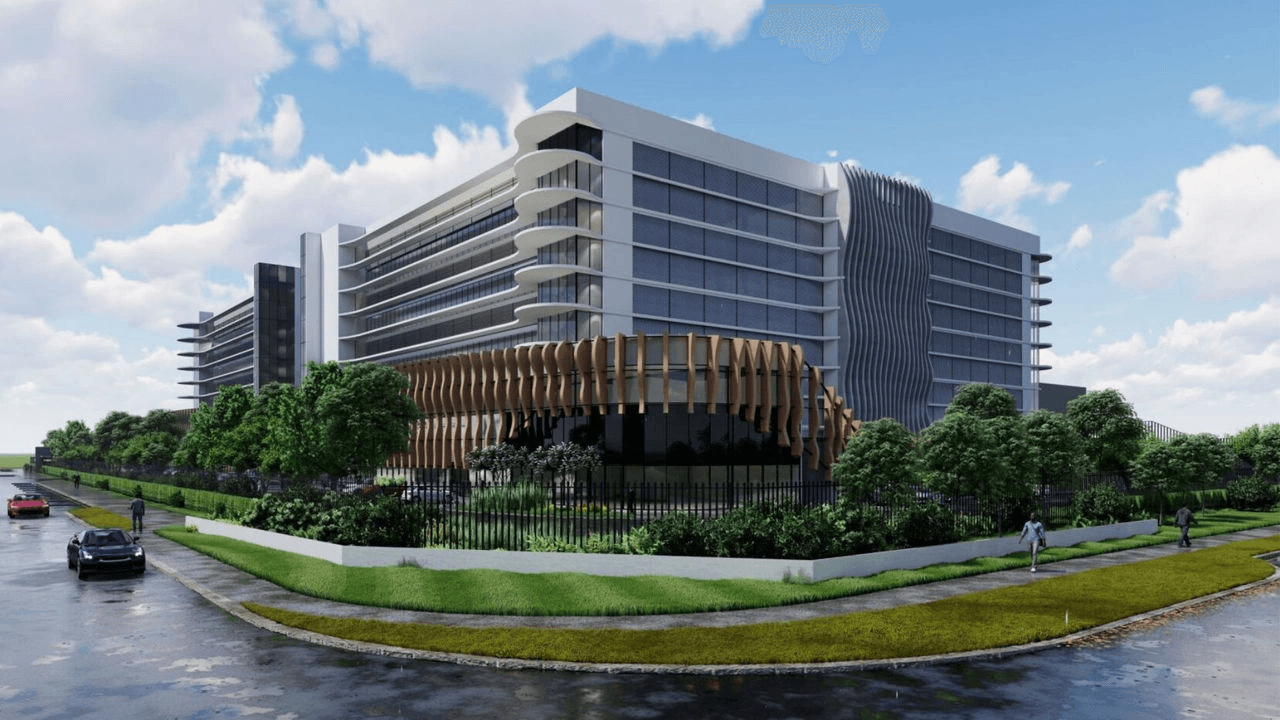
We migrate clients toward renewable-powered or energy-matched data centres, infrastructure providers that publish transparent sustainability reporting, and local Australian hosting that eliminates the emissions tied to long-haul data transfer. These decisions are now made alongside performance and ESG considerations from day one, not after your site is already live and costing you money.
Organisations we work with that align with verification bodies like the Green Web Foundation see lower carbon intensity per pageview and faster response times for their Australian visitors.
And here’s the practical upside we always tell clients: hosting your site on a cleaner grid immediately reduces emissions associated with every single page load. We don’t even need to touch your code to start making progress.
Performance-First, Low-Carbon Frontend Engineering on Your Build
Most of your website’s emissions don’t come from the server room. They come from a bloated frontend. That’s the uncomfortable reality, and it’s something our development team confronts directly in every build and every audit we run for you.
Our approach is practical: we cut JavaScript payloads on your pages, choose lighter frameworks over feature-heavy defaults, and aggressively optimise your images, fonts, and third-party scripts.
This isn’t minimalism for aesthetic reasons, it’s engineering discipline that directly benefits your users and your carbon footprint.
Fewer bytes transferred means less energy consumed across networks and servers, faster load times especially on your mobile visitors’ devices, and stronger Core Web Vitals and SEO outcomes for your site in Google.
Learn how to build high-performance web apps with React.
Static-First and Edge-Driven Architectures for Your Website
One of the most impactful architectural decisions we make for clients is moving away from always-on server rendering. Instead of spinning up a full server response for every visitor request your site receives, we implement static site generation, CDN-first delivery models, and edge caching for your most frequently accessed content.
Serving pre-built content closer to your users dramatically reduces compute requirements for your infrastructure, cuts your energy consumption during traffic spikes, and improves reliability without adding overhead.
If your website is mostly content that doesn’t change with every request, there’s a genuine question we always ask on your behalf: why is it running a server to regenerate that content dynamically every time someone visits? Often, the answer is that nobody ever questioned the default.
Carbon-Aware Scheduling and Smarter Workloads for Your Infrastructure
Not every backend task on your infrastructure needs to happen the moment it’s triggered. Backups, batch data processing, report generation, CI/CD pipelines, these are workloads that can often be deferred by hours without any meaningful impact on your end users. We’re scheduling these jobs for clients during periods when the grid is cleaner or energy demand is lower.
The key point we make to every client we discuss this with: this approach reduces your emissions without reducing your output. It’s optimisation, not compromise. As Australia’s renewable supply grows and carbon intensity APIs become more accessible, we expect this to become a standard part of how we manage your infrastructure on an ongoing basis.
Also read: Top AI & PWA development frameworks for web apps for Australia
Sustainable UX and Interaction Design for Your Users
Sustainability isn’t only a back-end story for your website. It lives in the experience you give your users too. Our designers think carefully about how your visitors move through your site, reducing unnecessary page transitions, streamlining your forms and conversion flows, eliminating decorative animations that consume processing power on your visitors’ devices without delivering anything meaningful.
The goal we work toward isn’t a boring website. It’s a purposeful one. Good UX shortens your users’ session times without hurting your conversions, reduces repeated reloads, and cuts energy usage across every device your audience uses. Accessibility plays into this too, inclusive design tends to produce simpler, cleaner interfaces that happen to be inherently more energy-efficient. Your users with accessibility needs and your carbon footprint both benefit.
AI-Assisted Optimisation of Your Build (With Guardrails We Set)
AI is a genuinely complicated topic in any sustainability conversation. On one hand, AI workloads are energy-intensive by nature. On the other, our team uses AI development services selectively and carefully to identify performance bottlenecks in your specific build, auto-optimise your images and assets, and flag inefficient code patterns before they become a problem that affects your users.
The defining characteristic in how we use AI for your project is restraint. We’re not using it to pile features onto your website, we’re using it to remove waste from it. When governed properly, AI becomes a sustainability multiplier that simultaneously benefits your users and your energy footprint.
Measurement-Driven Sustainability for Your Website (No More Guesswork)
Arguably the most important thing we do for you in this space: we make your sustainability measurable. We track your website’s carbon emissions per pageview, your data transfer rates, and your performance metrics tied directly to energy usage.
That data feeds into your SEO performance analysis, your cost optimisation decisions, and your ESG reporting. Sustainability moves from good intention to real accountability for your business, and that shift is what creates durable, long-term improvements in your digital presence over time.
Measuring Your Digital Sustainability (Metrics That Actually Matter)
Here’s where a lot of sustainability programs fall apart, including ones our clients tried before engaging us.
You swap to a greener host. You shave some assets off a landing page. You call it progress and move on. Without tracking impact over time, though, sustainability stays stuck as a talking point rather than an operational improvement you can stand behind.
In 2026, that gap is no longer acceptable. Your business faces increasing pressure to actually quantify the environmental impact of your digital platforms. Measurement is what separates a sustainability story from a sustainability practice, and it’s what we build into every engagement we run.
Your Website’s Carbon Emissions (gCO₂ per Pageview)
This is the headline metric we use to assess the sustainability of your website. It estimates the CO₂ produced each time one of your pages loads, combining data transfer volumes, network energy consumption, server energy use, and the carbon intensity of your hosting infrastructure.
Multiply that figure by your monthly traffic, and the true scale of your website’s digital carbon footprint comes into sharp focus. What consistently surprises our clients is how quickly small inefficiencies compound as your traffic grows.
We anchor this metric to real infrastructure data through frameworks supported by the Green Web Foundation, making it suitable for your ESG reporting rather than just internal benchmarking.
Your Page Weight and Data Transfer Efficiency
Page weight is one of the most accessible and revealing sustainability indicators for your website. Heavier pages demand more energy to transfer across networks and more processing power to render on your visitors’ devices.
The downstream effects are predictable: slower load times, higher bounce rates, and greater energy consumption per session on your site.
When we reduce your page weight through image optimisation, script cleanup, and smarter asset delivery, you see the benefits across multiple dimensions simultaneously, your performance improves, your mobile visitors get a noticeably better experience, and your energy cost per pageview drops. In our experience, this is consistently the fastest and most productive place to start when we want to improve both your sustainability and your SEO at the same time.
Your Performance Metrics Read as Energy Signals
Largest Contentful Paint, Time to Interactive, Total Blocking Time, we track these not just as user experience indicators for your site but as direct energy signals. Longer load times keep your servers active for extended periods and push your visitors’ devices to consume more processing power. Scale that across thousands of your sessions and the accumulated energy demand becomes significant.
When we improve these scores for your website, we’re simultaneously reducing your latency
and your emissions. Those outcomes are inseparable in our work, which is why our performance engineering and sustainability work share the same metrics and the same team.
Your Hosting Carbon Intensity and Infrastructure Efficiency
Two websites with identical designs and codebases can have dramatically different sustainability profiles depending entirely on where they’re hosted. Infrastructure is a critical variable we assess for every client we work with, particularly in Australia where renewable energy availability varies considerably between providers and regions.
Data centres running on genuine renewable energy significantly reduce the emissions your website generates per request. We use verification services connected to the Green Web Foundation to help you distinguish legitimate renewable-powered hosting from solutions built primarily on offset purchases, a distinction that matters both for your ESG reporting and for the actual environmental impact you’re achieving.
Turning Your Metrics into Team Accountability
Something shifts when sustainability data becomes visible to your whole team rather than sitting in a separate report nobody reads. Your designers become more deliberate about visual choices. Your developers start questioning dependencies before adding them. Your marketing team pays closer attention to page performance. Your leadership begins connecting digital efficiency to broader ESG goals.
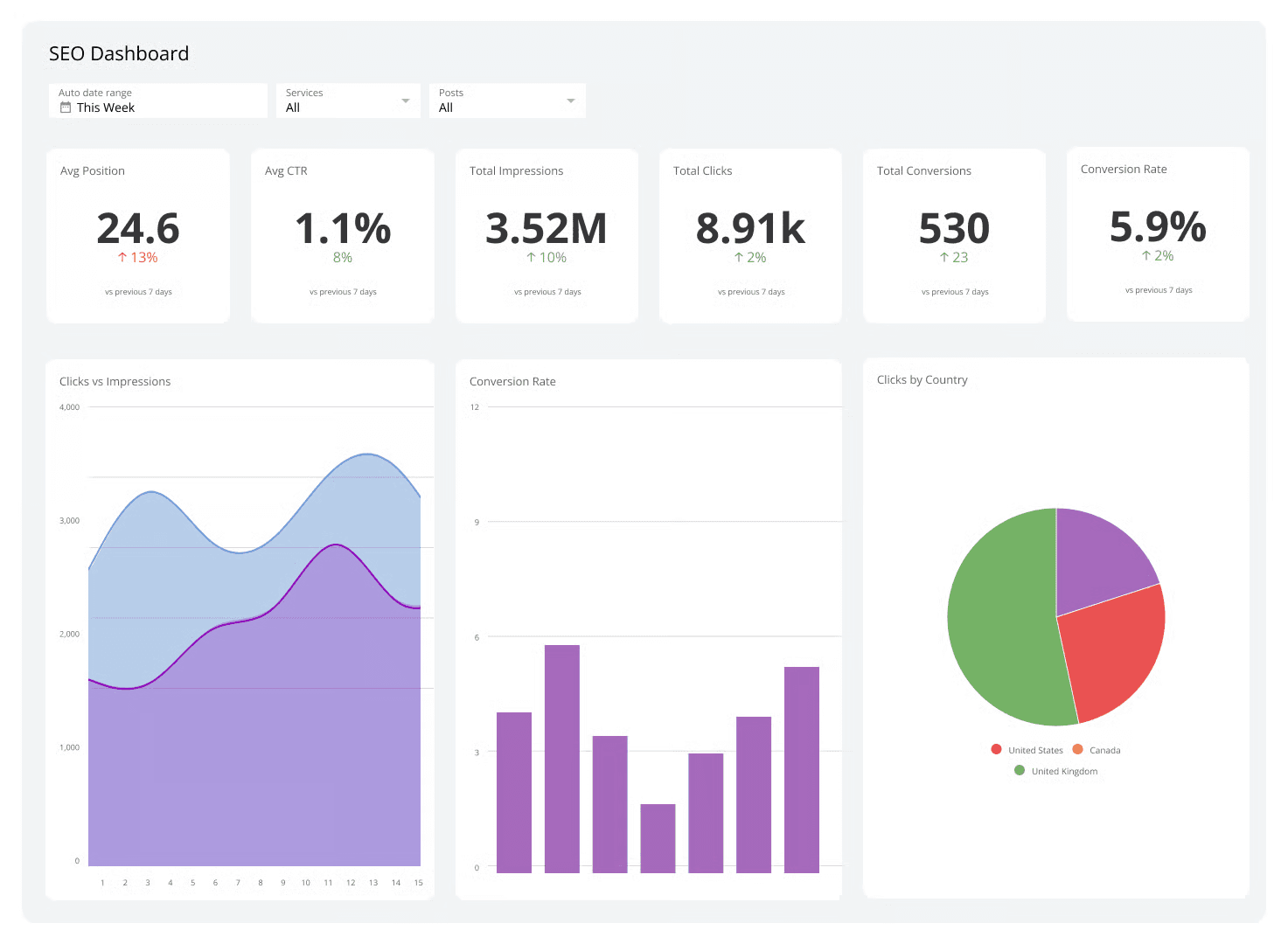
We build your sustainability metrics into the same dashboards where you track traffic, conversions, and rankings. Not in a separate tool your sustainability team checks quarterly. Alongside your other performance data, where your whole team can see it and act on it. That’s how culture changes permanently rather than temporarily.
Know the steps to choose a website development company.
Advantages of Sustainable Web Development for Your Business
Let’s be direct about something: when we build sustainably for you, it is no longer just an ethical position. In 2026, it delivers concrete, compounding business advantages, and the gap between businesses that have acted on this and those that haven’t is widening every quarter.
Your Website Performs Better (And Your Users Are Happier)
When we build sustainably, your website is faster. That’s not a side effect, it’s baked directly into our approach. Lighter codebases, fewer unnecessary scripts, properly optimised assets: all of it translates directly into reduced load times for your visitors.
Your faster website bounces less. It converts better. Your users don’t sit waiting for heavy pages to crawl into view, especially on mobile networks where a significant portion of your Australian audience is browsing. Cutting digital waste doesn’t just help the environment, it delivers a better experience that your users notice and respond to commercially.
Stronger SEO and Search Visibility for Your Website
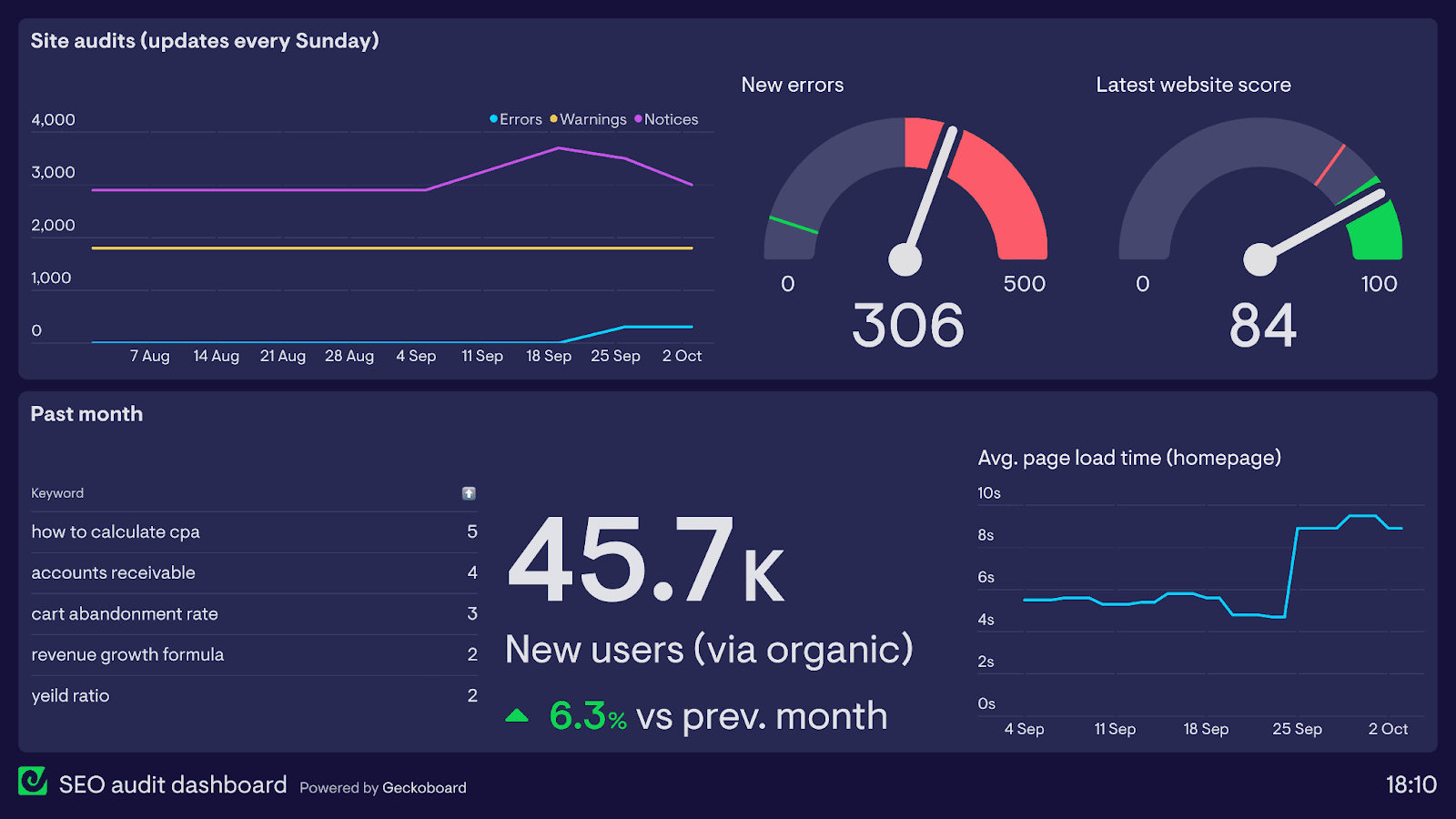
This is probably the most consistently underestimated advantage we see for our clients, and it’s worth being explicit about it. Search engines reward fast-loading pages, efficient rendering, strong Core Web Vitals, and low bounce rates. Every one of those outcomes is a direct, natural result of the performance-first, sustainable development approach we apply to your website.
When we reduce your page weight and streamline your scripts, your crawl efficiency improves and your rankings tend to follow. A greener website is almost always a more search-friendly website for you, these are not separate conversations we have with clients. They are the same conversation.
Lower Infrastructure and Operating Costs for Your Business
Efficiency saves you money. Particularly at scale, this becomes very real very quickly. Your lighter website consumes less bandwidth, needs fewer server resources, and handles your traffic spikes without straining your infrastructure.
Over time, that compounds into lower hosting costs, reduced CDN usage, and lower cloud compute bills for your business.
We’ve seen clients cut their infrastructure costs by 30–40% after a proper performance and sustainability overhaul. For growing businesses, sustainable development means you’re scaling optimised systems rather than throwing money at inefficient ones just to keep pace with your own success.
Easier Alignment with Your ESG and Sustainability Goals
As ESG reporting becomes standard across Australian organisations, your digital platforms can no longer be left out of the conversation. We give you the tools and the data to demonstrate responsible energy use, quantify your digital emissions, and support your sustainability disclosures with something more substantive than a policy statement.
Your website runs 24 hours a day and sits at the front of every brand interaction you have. When we make it more sustainable, we produce ESG outcomes for your business that are visible, measurable, and genuine and we help you document and report on them in the format your stakeholders expect.
Improved Brand Trust and Credibility With Your Audience
Your customers care about how your brand operates, not just what it sells. A fast, efficient, responsibly built website sends a quiet but unmistakable signal to your audience: this business is thoughtful, forward-looking, and worth trusting.
We don’t help you loudly advertise sustainability credentials. We build them into how your site actually works, so they’re real, not claimed. Your customers notice the difference, even if they can’t always articulate exactly what they’re noticing.
Greater Scalability and Long-Term Resilience for Your Platform
The sustainable websites we build handle your growth better. Lean architectures and optimised workflows mean your platform deals with scaling demand without accumulating performance debt or blowing your infrastructure budget. As your traffic grows, the gap between efficient and inefficient websites widens fast. We make sure your business is consistently on the right side of that gap.
Reduced Technical Debt Over Time on Your Codebase
Rushed builds and bloated frameworks create technical debt that compounds over years, we see the results in almost every inherited codebase we touch for new clients. Sustainable development means intentional technology choices, cleaner codebases, and ongoing optimisation as part of normal workflow. The result is a website that’s genuinely easier for us to maintain, update, and evolve for you over time, without constant rewrites or performance firefighting that eats into your budget.
A Competitive Advantage for Your Business in a Changing Market
Businesses that adopt green web practices early are better positioned for procurement requirements, regulatory expectations, and shifting customer standards as they evolve. In 2026, this isn’t about being visionary. It’s about making sure your business isn’t left behind when sustainable, efficient builds become the expected baseline for every digital product in the market.
Read more key benefits of hiring website development services in Australia.
Our Practical Roadmap for Implementing Sustainable Web Development in Australia
Plenty of organisations talk well about sustainability. Fewer actually implement it without slowing your team down or burning through your budget. Here’s the phased approach we use with real Australian businesses, not theoretical best-case scenarios, not consultant-speak.
Think of this as the execution plan we walk you through, not a one-off project with a finish line.
Phase 1: We Establish Your Baseline (0–30 Days)
We cannot improve what we haven’t measured. And most businesses we start working with genuinely don’t know how inefficient their website is, they sense it, but nobody has ever quantified it.
We start with a thorough audit across three dimensions of your site: performance, infrastructure, and emissions. We measure your page weight, load times, Core Web Vitals, and estimated carbon per pageview.
That baseline becomes your reference point, every decision we make from this point forward gets tracked against it so you can see progress that’s real, not claimed.
We review your hosting at the same time. Where your site lives, what powers that infrastructure, and whether any sustainability claims your current provider makes are backed by independent verification or just marketing copy.
In Australia, keeping your hosting local can immediately reduce both latency for your visitors and the energy burned routing their traffic unnecessarily.
By the end of this phase, you know precisely where your website is falling short, where your emissions are concentrated, and which issues will yield the most return for the least effort. No guesswork.
Phase 2: We Fix Your High-Impact, Low-Effort Issues (30–90 Days)
This is where your most visible gains happen, and they happen fast.
We start with frontend optimisation on your site: properly compressing and resizing your images, stripping unused JavaScript and CSS from your pages, deferring non-critical scripts, and simplifying how your fonts load.
These changes alone typically produce dramatic reductions in your page weight without touching your design or removing functionality your users rely on.
We then move to performance tuning: improving loading priorities, eliminating render-blocking resources, tightening your Core Web Vitals scores. Every second we cut from your load time is energy saved across servers and your users’ devices, and ranking signal gained with Google.
Where feasible, we migrate your site to a renewable-powered or energy-matched hosting provider operating within Australia. That single decision can immediately cut your emissions across every pageview your site serves, well before any deeper architectural work even begins.
The outcome for you: faster pages, lower energy usage, improved SEO signals, and tangible sustainability progress you can report on.
Phase 3: We Re-Architect Your Website for Efficiency and Scale (3–12 Months)
Once your quick wins are locked in, we have the architectural conversation your website has probably needed for a while.
We ask honestly whether your site actually needs to be fully dynamic. Many content-heavy websites we work with gain enormously from static site generation or hybrid architectures that serve pre-built content through CDNs and edge networks, reducing your always-on server load and handling your traffic spikes far more efficiently.
We review your backend workflows: how often your processes run and whether they genuinely need to be real-time for your use case.
Your backups, analytics processing, and batch jobs can typically be scheduled during lower-demand periods without any meaningful impact on what your users experience.
We revisit your design and UX at this stage too. Simpler user flows, fewer unnecessary interactions, retiring features that add complexity without delivering measurable value for your visitors.
Sustainable UX decisions improve both your user experience and your energy footprint simultaneously, and they tend to improve your conversion rates at the same time.
The outcome for you: a leaner, more resilient architecture built to scale without proportional increases in your costs or your carbon footprint.
Phase 4: We Embed Measurement and Accountability Across Your Team (Ongoing)
Sustainability only holds when it becomes part of how your team operates day to day, not something that lives in a quarterly report and gets forgotten between reviews.
We integrate sustainability metrics into your regular reporting alongside the performance data your team already looks at.
We track page weight, performance figures, estimated emissions, and hosting efficiency over time, using trends rather than isolated snapshots to guide what gets prioritised each sprint.
We also work to spread responsibility across your team. When your designers, developers, marketers, and leadership all understand how their decisions affect your performance and your energy use, behaviour changes in durable ways.
We can align this work with your broader ESG goals, your procurement requirements, and your public reporting obligations where applicable.
The outcome for you: sustainable web development becomes operational and measurable within your organisation, not dependent on individual champions to keep it alive when priorities shift.
Phase 5: We Keep Optimising as Your Business Grows (12 Months and Beyond)
We keep refining your site’s performance, reassessing tooling choices, and tracking emerging standards and best practices on your behalf.
As Australia’s renewable energy mix continues to improve and new optimisation techniques emerge, we surface fresh opportunities to reduce your emissions further, without sacrificing any capability your users depend on.
Sustainable web development is not a finish line. It’s the continuous improvement practice we build into our long-term relationship with you and your platform.
The Future of Green Web Development in Australia, What It Means for You
- Sustainable web development will shift from competitive advantage to basic expectation for your business, the same trajectory mobile-first design and page speed optimisation followed, and faster than most people expect.
- Digital sustainability will become measurable and standardised, with your website’s emissions and energy efficiency increasingly included in your ESG reporting and in the vendor evaluations your enterprise clients run on you.
- Carbon-aware infrastructure will mature as Australia’s renewable capacity grows, making it practical and cost-effective for your site to serve traffic during cleaner energy windows without any compromise to availability.
- Your performance optimisation and sustainability will fully converge, your faster, lighter website will naturally consume less energy and consistently outperform slower competitors in search rankings and user experience.
- Greenwashing will become harder to sustain in the market. You’ll be expected to demonstrate sustainability through verifiable performance data, not marketing claims, and we’ll make sure you have that data ready.
- The web agencies and development partners you work with will be held to higher standards, with efficiency, optimisation, and sustainability treated as core technical competencies rather than optional extras. We’re already building to those standards.
- Eventually, “green websites” will stop being a category at all. Sustainable, efficient builds will simply define what a well-built website looks like, and if you start now, your business will be ahead of that shift rather than scrambling to catch up.









Leave a Comment
Your email address will not be published. Required fields are marked *